A hard look at the stadium financing, the $380 million public funding debate, economic impact projections, and what the Vegas deal actually means for taxpayers and the franchise.
Follow the Money
The Las Vegas Athletics stadium deal was approved by the Nevada Legislature with the support of a majority of elected officials and opposed vigorously by a coalition of educators, public finance critics, and citizens who believed the $380 million in public funding was a misallocation of state resources. Both sides made arguments rooted in real economic data, and both sides had legitimate points. Understanding the deal requires engaging with the numbers honestly rather than retreating to the ideological position that either all stadium subsidies are theft or all stadium investments are economic engines.
The Basic Structure of the Deal
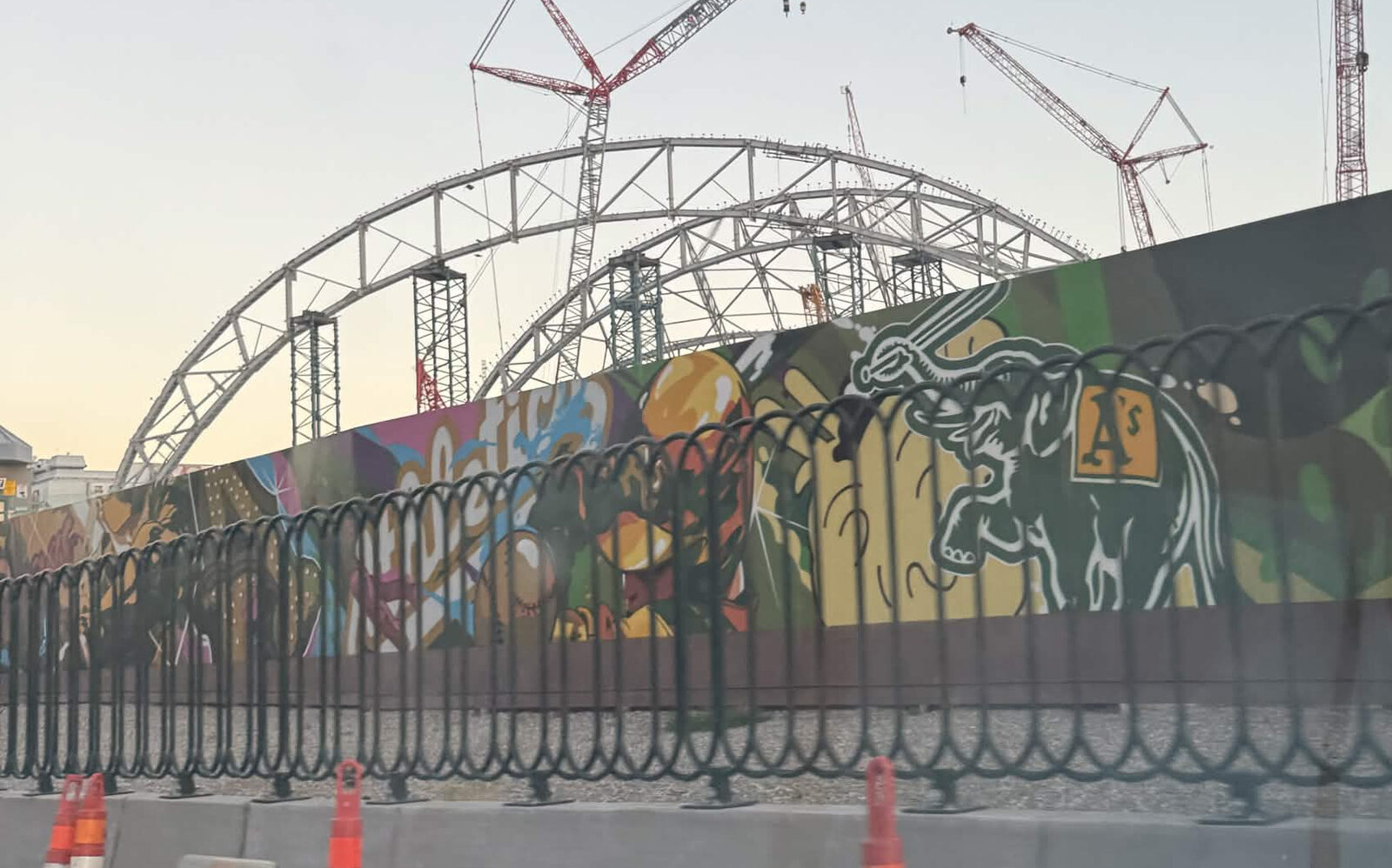
The Nevada Legislature approved $380 million in public funding for the Las Vegas Athletics stadium in 2023. The total stadium cost is estimated at $1.5 billion, which means the public contribution represents approximately 25 percent of the total project cost. The Athletics and their private investors are responsible for the remaining $1.1 billion-plus.
The public funding flows through the Clark County Stadium Authority, a public body that was established as part of the enabling legislation. The funding mechanism uses a variety of tax instruments including a room tax increment on hotel stays in the project area, which attempts to direct a portion of the funding burden toward the tourists who will be among the primary beneficiaries of the stadium's presence on the Strip.
The stadium itself is technically a public asset in terms of the real property. The Athletics hold a long-term lease and operational control. This structure, public ownership, private operation, is the standard model for publicly financed sports facilities in the United States and has been since the stadium-building boom of the 1990s.
The "Schools Over Stadiums" Opposition
The most organized and morally coherent opposition to the stadium deal came from Nevada educators under the banner of the Schools Over Stadiums coalition. Their argument was direct: Nevada ranks near the bottom in per-pupil education spending, teacher retention, and student outcomes. Allocating $380 million to a facility that primarily benefits a private franchise and its billionaire owner, rather than to the education system that is failing Nevada students, represents a clear misallocation of public resources.
This argument is hard to dismiss. Nevada's education challenges are real and documented. The counterfactual, would the $380 million have gone to education if it had not gone to the stadium?, is genuinely uncertain, but the opportunity cost framing is legitimate. Public money has alternative uses, and the stadium opponents are correct that those alternatives exist and that many of them have stronger claims on public investment than a sports facility.
The Economic Impact Argument
on of educators, public finance critics, and citizens who believed the $380 million in public funding was a misallocation of state resources.
Stadium proponents made the standard economic impact arguments: construction jobs, permanent employment at the facility, tourism spending generated by visitors who come specifically for A's games, the multiplier effect of that spending through the local economy. The consultants hired by the Athletics projected significant positive economic impacts over the stadium's first decade of operation.
Independent economists are consistently skeptical of stadium-specific economic impact studies, for several reasons. First, the methodology of hired consultants has a documented tendency to overcount benefits and undercount costs. Second, stadium spending often substitutes for other entertainment spending rather than representing net new economic activity, fans who spend money at the ballpark are frequently fans who would have spent similar amounts at other Las Vegas entertainment venues if the ballpark did not exist. Third, the jobs created by sports stadiums tend to be seasonal, part-time, and low-wage rather than the kind of permanent middle-class employment that maximizes economic impact.
What the Strip Location Changes
The standard economic critique of stadium subsidies applies most powerfully to suburban stadiums surrounded by surface parking lots, where the facility captures economic activity from a contained footprint and limits the spillover into surrounding neighborhoods. The Las Vegas Strip location genuinely changes some of these dynamics.
A stadium at the corner of Las Vegas Boulevard and Tropicana Avenue is embedded in the most economically dense entertainment district in the country. Fans who attend games cannot help but spend money in the surrounding corridor, before games, after games, during the rest of their Las Vegas visit. The concentration of hotels, restaurants, entertainment venues, and retail within walking distance of the stadium means that the economic activity associated with Athletics games spreads through a system that was already generating enormous economic output.
This is genuinely different from building a stadium in a greenfield suburban location. The Strip location maximizes whatever positive economic spillover stadium development can generate, even if it does not resolve the fundamental questions about whether the public subsidy was justified.
Who Wins
The honest answer is that this depends on what actually happens over the next two decades. The scenario in which the Las Vegas Athletics become a successful franchise with strong attendance, national television interest, and a genuine fan base generates real economic activity and returns real value to the public investment. The scenario in which attendance disappoints, the franchise struggles on the field, and the tourist-fan pipeline fails to materialize leaves the public with a $380 million contribution to a facility that primarily serves the interests of its private operator.
The historical track record of publicly financed stadiums in terms of generating the economic returns that proponents promise is not strong. The Las Vegas location is genuinely different in ways that could change that track record. What actually happens will be determined over years of games, wins, losses, and the slow building of a fan community in a city that has never had major league baseball before.
Find Las Vegas A's tickets and gear through our affiliate partners. Purchases made through these links support independent coverage at no extra cost to you.
For more A's coverage across the network:
Frequently Asked Questions
How much public money went into the stadium deal?
$380 million approved by the Nevada Legislature in 2023, roughly 25 percent of the estimated $1.5 billion total cost, with the A's covering the remaining $1.1 billion-plus.
What is the Schools Over Stadiums argument?
A teacher-led opposition arguing that Nevada, which ranks near the bottom in education spending, should not direct $380 million to a private franchise instead of its schools.
Does the Strip location change the economics?
The post argues it does. Embedding the stadium in the country's densest entertainment district maximizes economic spillover compared with a suburban site, though it does not settle whether the subsidy was justified.