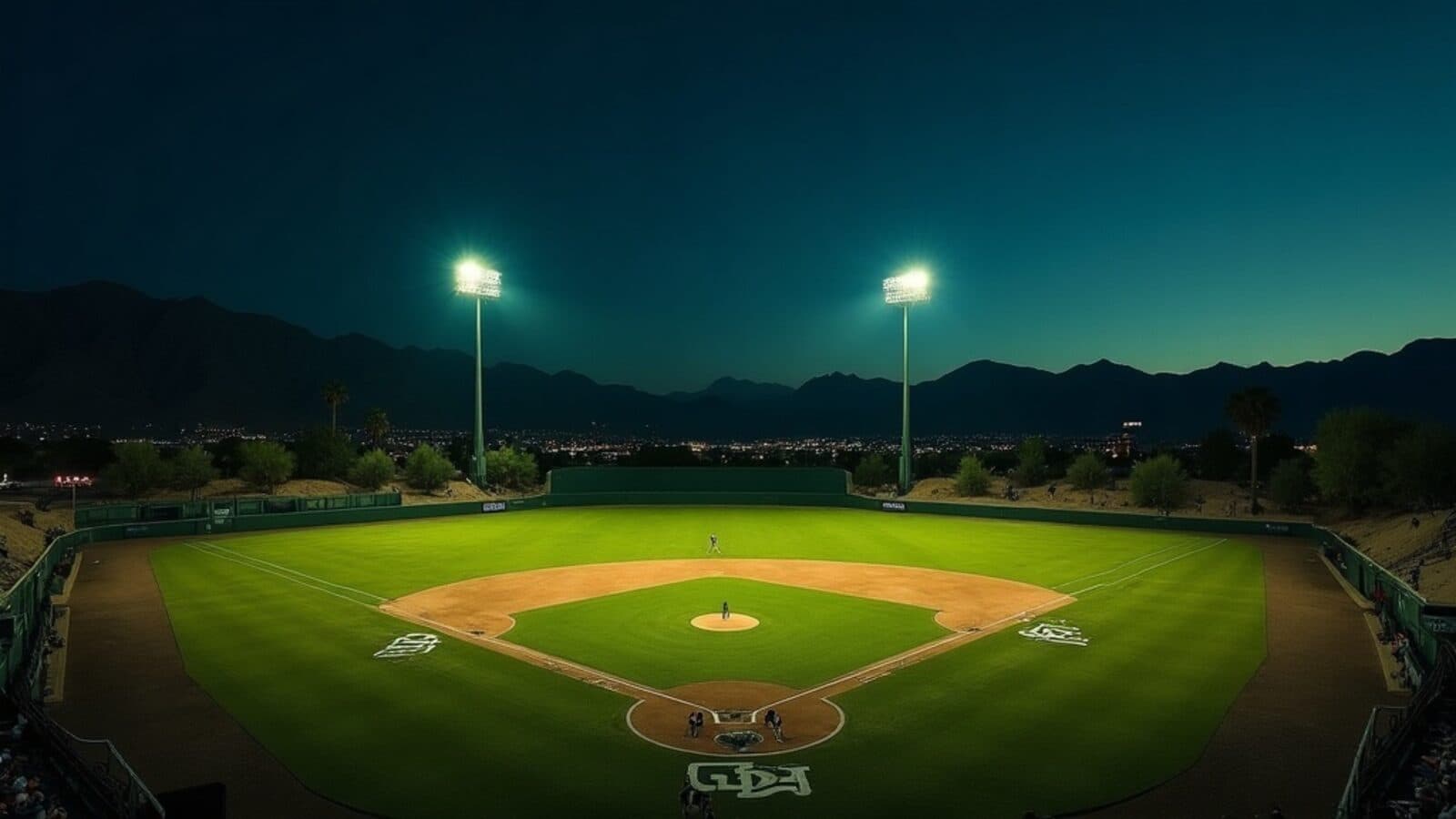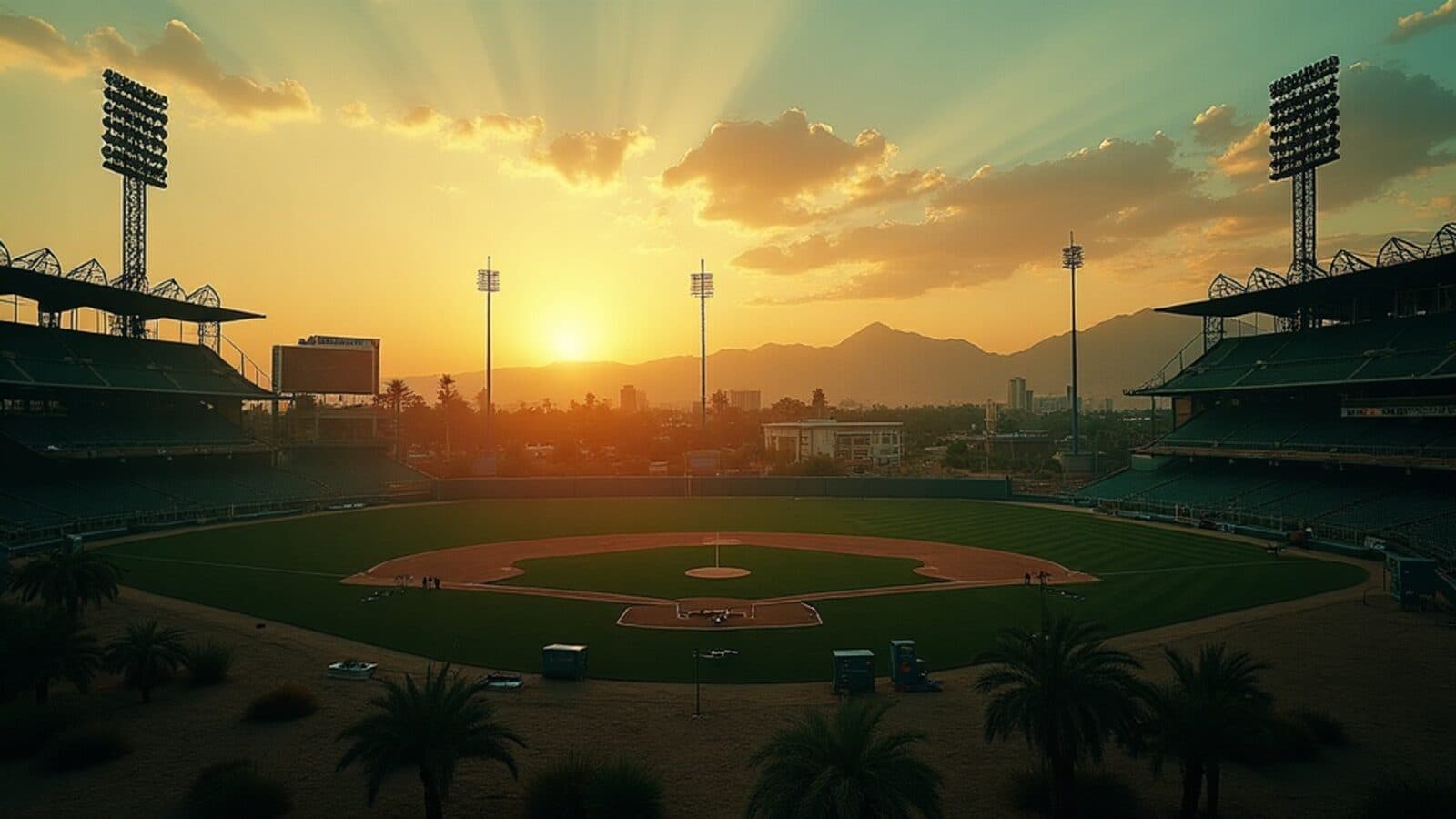
Stadium construction progress, the location, design details, capacity numbers, and what fans can expect when the new Las Vegas ballpark opens in 2028.
The Build Is Real and It Is Moving Fast
Walk past the corner of Las Vegas Boulevard South and Tropicana Avenue today and you will not see a finished ballpark. What you will see is a construction site that, by every indication, is turning into exactly what the Athletics promised when they announced the move. The foundation work is underway. The cranes are operating. The 9-acre footprint has been cleared, graded, and handed over to the construction crews who will build what the organization calls a jewel-box stadium for the desert Southwest.
This is not a renderings-only situation anymore. Real money has moved. Real ground has broken. And real fans in Las Vegas are starting to believe that 2028 baseball is not just a promise on a press release.
Here is everything we know about the new stadium as of early 2026.
Location: Right on the Strip
The site sits at 1501 S. Las Vegas Blvd., immediately adjacent to the Tropicana site on the southern end of the Strip. This is a remarkable piece of real estate for a baseball team. No other major league ballpark in North America occupies anything close to this kind of tourism-adjacent land. The Las Vegas Aces play the WNBA Finals a few miles away. The Raiders play at Allegiant Stadium three blocks west. The A's new home will sit in the middle of all of it.
For locals, the Strip location is a double-edged sword. On one hand, getting to a game from Henderson, Summerlin, or North Las Vegas means driving into the tourist corridor, a commute most valley residents try to avoid. On the other hand, the location puts the Athletics on the radar of millions of visitors every year, creating a tourist-fan pipeline that no other franchise in baseball can match.
The team and the stadium authority have acknowledged the traffic challenge. There are plans for pedestrian access from the Mandalay Bay monorail stop, shuttle service from designated parking lots on the west side of the freeway, and potential integration with the planned expansion of the Las Vegas Monorail system. None of this is finalized, but the conversations are ongoing and the team appears committed to solving the access problem before opening day.
Design: A Roof, a Retractable Field, and Air Conditioning
If you have been watching baseball stadium construction around the country, you know the trend is toward fixed or retractable roofs in warm-weather markets. The new Las Vegas ballpark takes this to a logical extreme. Las Vegas in July and August is not Phoenix in July and August, it is hotter. Afternoon temperatures regularly exceed 110 degrees. No serious stadium planner in 2024 or 2025 was going to propose an open-air ballpark in that environment.
The design calls for a translucent roof structure that allows natural light to filter through while keeping the interior temperatures manageable. The playing field is natural grass. To make that work under a closed roof in the desert, the stadium will incorporate the same kind of retractable field technology used at Chase Field in Phoenix and Globe Life Field in Arlington, where natural grass grows on a movable slab that can be rolled outside when the stadium is dark.
Architecturally, the stadium leans into the Nevada desert setting. Renderings show a low-profile structure that does not try to compete with the Strip skyline but instead spreads out horizontally, emphasizing sight lines to the mountains to the west. The exterior features references to the desert landscape, with warm earth tones and angular lines that echo the terrain outside the city.
Capacity: 33,000 Seats
Walk past the corner of Las Vegas Boulevard South and Tropicana Avenue today and you will not see a finished ballpark.
The planned capacity is 33,000 seats, making it one of the smaller ballparks in the major leagues. For context, the old Oakland Coliseum held 56,782 for baseball, an absurdly large number that always made the stadium feel empty for a mid-week game against a non-rival. The new Las Vegas park is designed to feel full. A sellout crowd of 33,000 in a properly designed stadium makes for a genuine baseball atmosphere in a way that 22,000 in a 56,000-seat stadium never could.
The seating bowl design emphasizes closeness to the field. Lower bowl seats will be notably closer to the action than what fans experienced at the Coliseum. Premium club sections are planned on multiple levels, which is where the revenue model for a small-market franchise in an expensive city will live. Expect a high ratio of club seats and premium experiences relative to the total capacity.
Timeline and What Comes Next
The official target is Opening Day 2028. That gives the construction team roughly two years from the current foundation phase to completion. The schedule calls for structural steel to begin arriving in 2027, with the roof frame going up in the middle of that year. Interior work, seating installation, field preparation, concourse build-out, is targeted for late 2027 into early 2028.
There is no publicly available construction timeline that shows 2028 as impossible. There is also no major league stadium construction project in recent history that came in on time and under budget. Fans should expect some slippage at the edges. The question is whether any slippage pushes the opening into the 2029 season. As of now, the team maintains 2028 is the target and construction progress supports that claim.
Watch this space. The stadium will become the defining story of the A's Las Vegas era, and we will be covering every significant development as it happens.
Find Las Vegas A's tickets and gear through our affiliate partners. Purchases made through these links support independent coverage at no extra cost to you.
For more A's coverage across the network:
Frequently Asked Questions
What is the address of the new Las Vegas Athletics ballpark?
1501 S. Las Vegas Blvd., on a 9-acre site adjacent to the former Tropicana on the southern end of the Strip.
How many seats will the new ballpark have?
A planned 33,000 seats, making it one of the smaller, more intimate parks in the major leagues. The old Oakland Coliseum held 56,782 for baseball.
When is the stadium scheduled to open?
The official target is Opening Day 2028, with structural steel arriving in 2027 and the roof frame going up in the middle of that year.