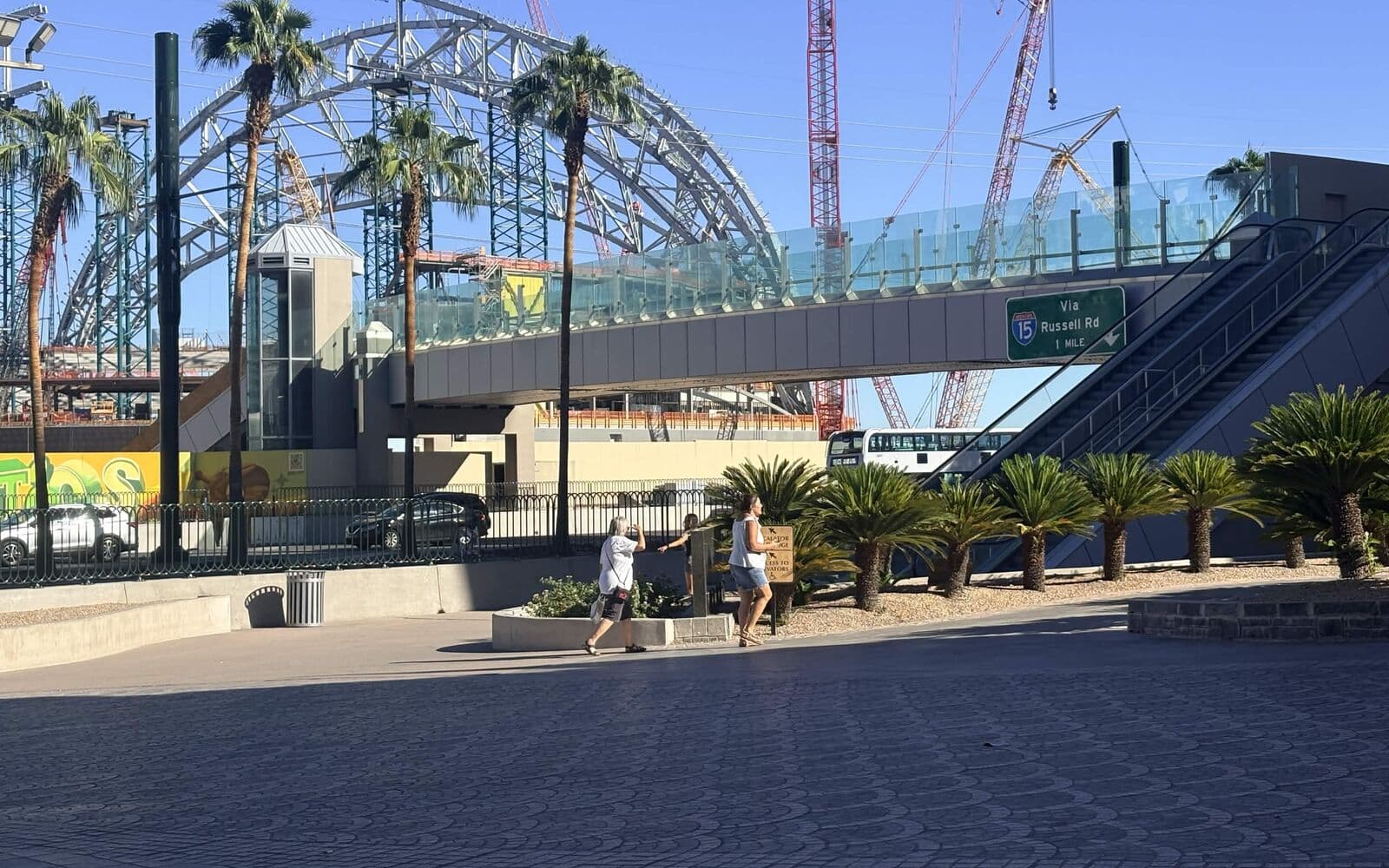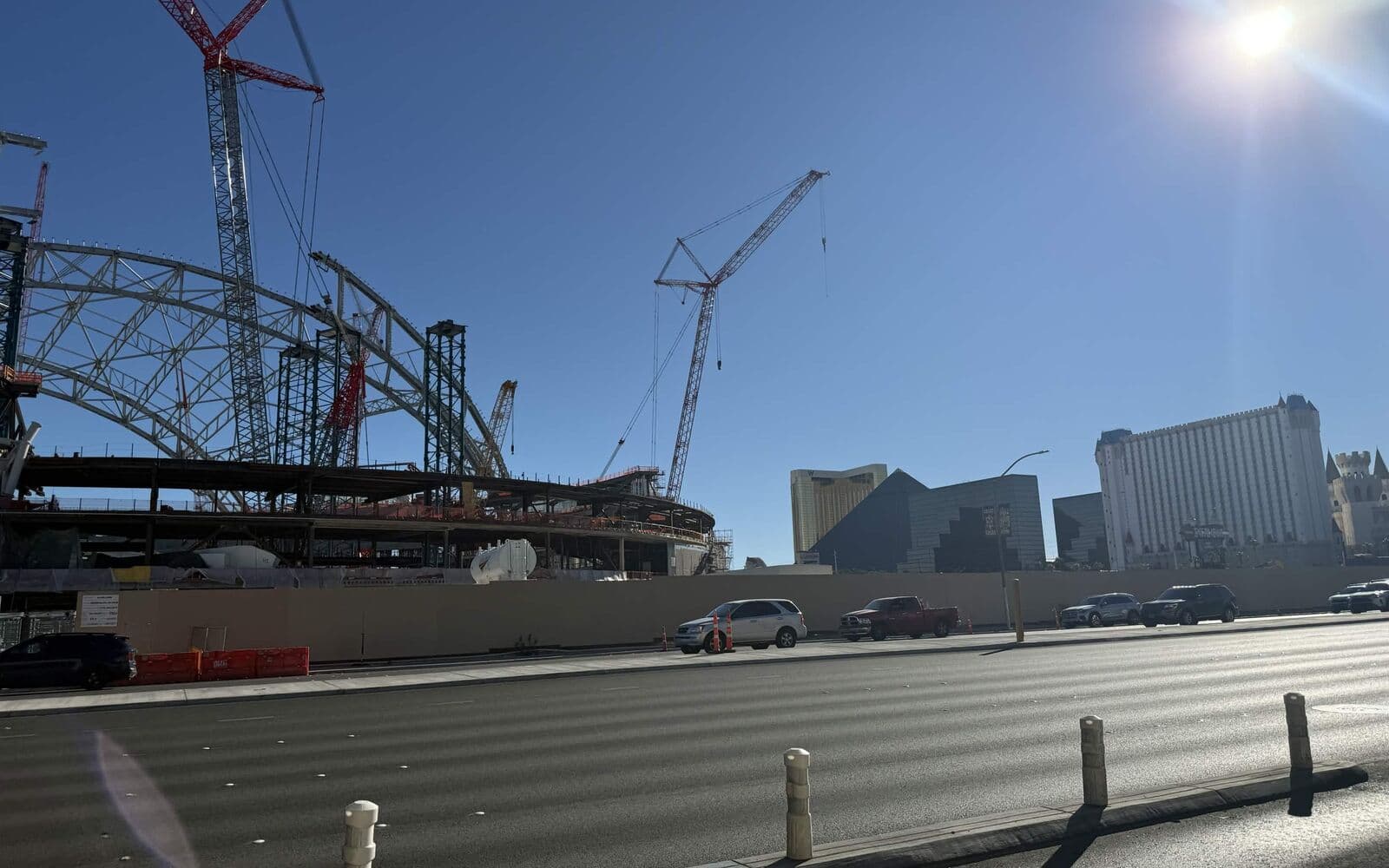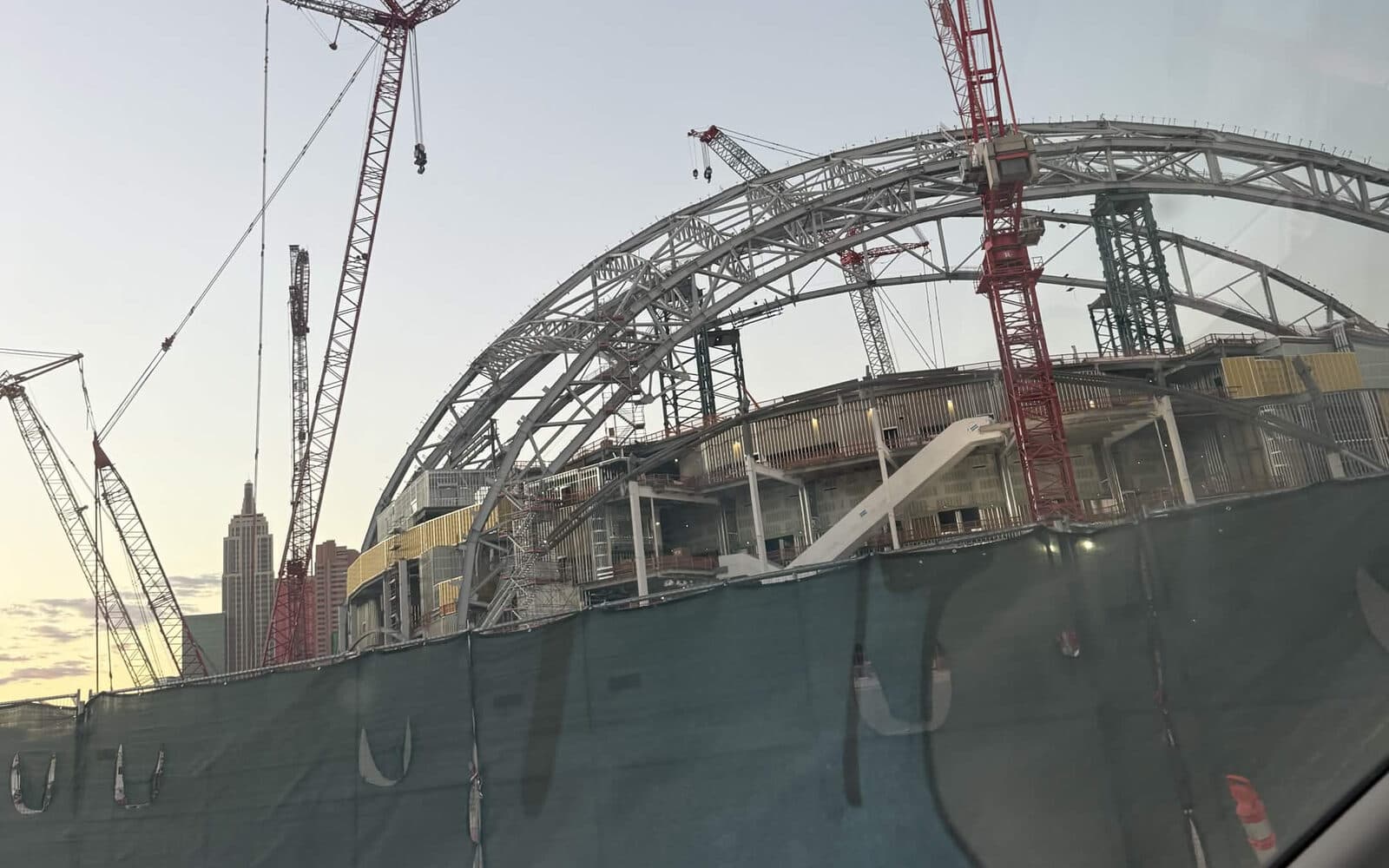
A deep roster analysis of the Las Vegas Athletics heading into 2026: key players, emerging prospects, and what the core looks like ahead of the 2028 stadium opening.
Building the Vegas Roster
The Las Vegas Athletics enter 2026 in a recognizable position: a franchise in directed transition, with a young core developing toward what management hopes will be a competitive team by the time the Las Vegas Strip stadium opens in 2028. Evaluating this roster honestly requires separating the floor from the ceiling, the contracts from the futures, and the players who are here to contribute from the players who are here to develop.
What follows is a position-by-position breakdown of who matters on this roster, what their roles are, and what reasonable expectations look like for the season ahead.
Starting Rotation: The Organization's Strongest Asset
JP Sears anchors the rotation and is the closest thing the A's have to a genuine top-of-the-rotation starter. His stuff is not overpowering, he is not a triple-digit fastball guy, but his command is advanced and his ability to generate weak contact through pitch sequencing is genuine. He enters 2026 coming off his best statistical season, and the projection systems are uniformly positive about continued development.
Luis Medina is the most important wildcard in the organization. The raw stuff is legitimate ace-caliber: a mid-to-upper-90s fastball, a slider with swing-and-miss movement. The issue has always been command, and command development is notoriously nonlinear. The optimistic scenario has Medina building on the control improvements he showed in spring camp and becoming a genuine number-two starter. The pessimistic scenario is more of the same variance that has defined his career. Which version shows up will do more than any other single roster factor to determine whether this team contends for a wild card berth.
Joey Estes, Hogan Harris, and Brady Basso fill out the back end of the rotation with different profiles but similar organizational roles: innings eaters who keep the team in games while not being asked to carry them. None of the three is a long-term rotation anchor. All three are valuable as components of a competitive five-man staff.
Bullpen: One Dominant Closer, Questions Behind Him
Mason Miller is the most important reliever in the American League when healthy. The issue, and it is a real issue, is the "when healthy" qualifier. Miller has dealt with arm issues across multiple seasons that have limited his availability. A closer who cannot pitch on consecutive nights creates real late-game problems, because modern bullpen management increasingly requires the back-end arm to be available in high-leverage situations across multiple appearances per week.
The front office has managed this carefully, building a bullpen depth chart that does not depend on Miller being available every game. T.J. McFarland provides the left-handed matchup option. Lucas Erceg has closer-caliber stuff when he locates his secondary pitches. The back end will be supplemented by spring training performances and waiver wire additions as the season approaches.
Lineup: Rooker as the Anchor, Butler as the Future
, with a young core developing toward what management hopes will be a competitive team by the time the Las Vegas Strip stadium opens in 2028.
Brent Rooker is the offensive centerpiece and enters a contract year with something to prove. He hit 30 home runs in 2024 and his power is genuine at the major league level. The plate discipline questions remain, good pitchers attack him with breaking balls down and away, and the strikeout rate reflects that vulnerability, but a 30-homer bat in the middle of a rebuilding team's lineup is valuable regardless of the contact quality concerns.
Lawrence Butler in the outfield is the player the organization is genuinely excited about. His athleticism is plus, his arm is strong, and the bat-to-ball skills have been improving each year in the system. The ceiling projections for Butler involve a consistent 25-homer, .280 hitter who can play above-average defense in center. Getting from his current performance level to that ceiling is the 2026 assignment.
Zack Gelof at second base brings real offensive promise alongside improving defense. His power-speed combination is legitimate. If Gelof takes the next step in plate discipline and starts punishing mistakes consistently, the lineup becomes genuinely dangerous rather than just threatening on paper.
Catching: The Position of Concern
Catching is the honest weakness on this roster. The options behind the plate are not the kind that make a pitching staff confident. Below-average framing, below-average bat. The catching market now values pitch framing at a premium, and a team that cannot provide it pays the price in runs allowed even when the ERA does not immediately reflect the deficit.
The farm system has catching prospects developing, but none of them project to arrive in 2026 at a level that would change the situation. This is a problem the front office needs to address through trade or free agency before the team is genuinely competing.
The 2026 Outlook
A realistic range for the 2026 Las Vegas Athletics is 76 to 85 wins. The optimistic case, healthy rotation, Miller available regularly, Butler and Gelof taking developmental steps, puts the team in wild card range. The pessimistic case, Medina reverts to his inconsistent baseline, Miller misses time, the offense underperforms its projections, puts them closer to 76 wins and another year of building.
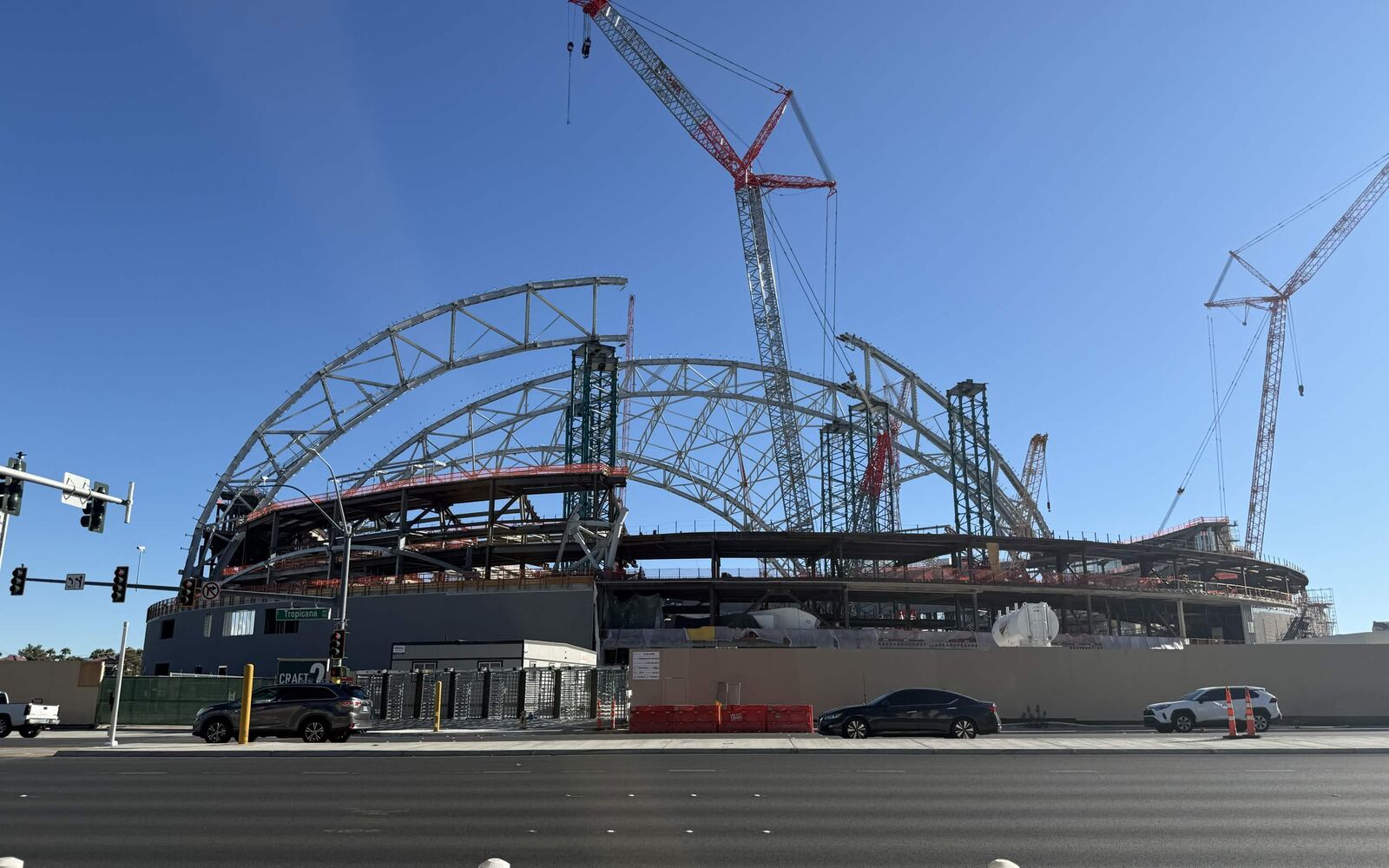
Either way, the 2026 season is about development trajectory rather than outcomes. The players who show they belong in Las Vegas in 2026 are the players who will be there in 2028 when the Strip stadium opens and the real era begins.
Find Las Vegas A's tickets and gear through our affiliate partners. Purchases made through these links support independent coverage at no extra cost to you.
For more A's coverage across the network:
Frequently Asked Questions
What is the A's strongest asset in 2026?
The starting rotation, anchored by JP Sears, with Luis Medina as the most important wildcard in the organization.
What is the realistic win projection for the 2026 A's?
A range of 76 to 85 wins, with the optimistic case putting the team in wild card range.
Which position is the roster's biggest concern?
Catching, with below-average framing and bat and no farm help projected to arrive in 2026.