The full story on the A's Sacramento residency at Sutter Health Park: why it happened, what the experience is like, and what it means for the franchise heading to Las Vegas.
A Major League Team in a Minor League Stadium
The Las Vegas Athletics are playing their 2026 home games at Sutter Health Park in West Sacramento, California. Sutter Health Park is home to the Sacramento River Cats, the Triple-A affiliate of the San Francisco Giants. Its capacity for baseball is approximately 14,000 fans. It has no retractable roof, limited shade for most of the seating bowl, and a concourse experience designed for a minor league budget and a minor league price point.
This is where a Major League Baseball team is playing home games. It is one of the most unusual situations in the history of the sport, and understanding how it came about, what it actually looks like as an operational reality, and what it means for the franchise requires going deeper than the headline numbers.
How Did This Happen?
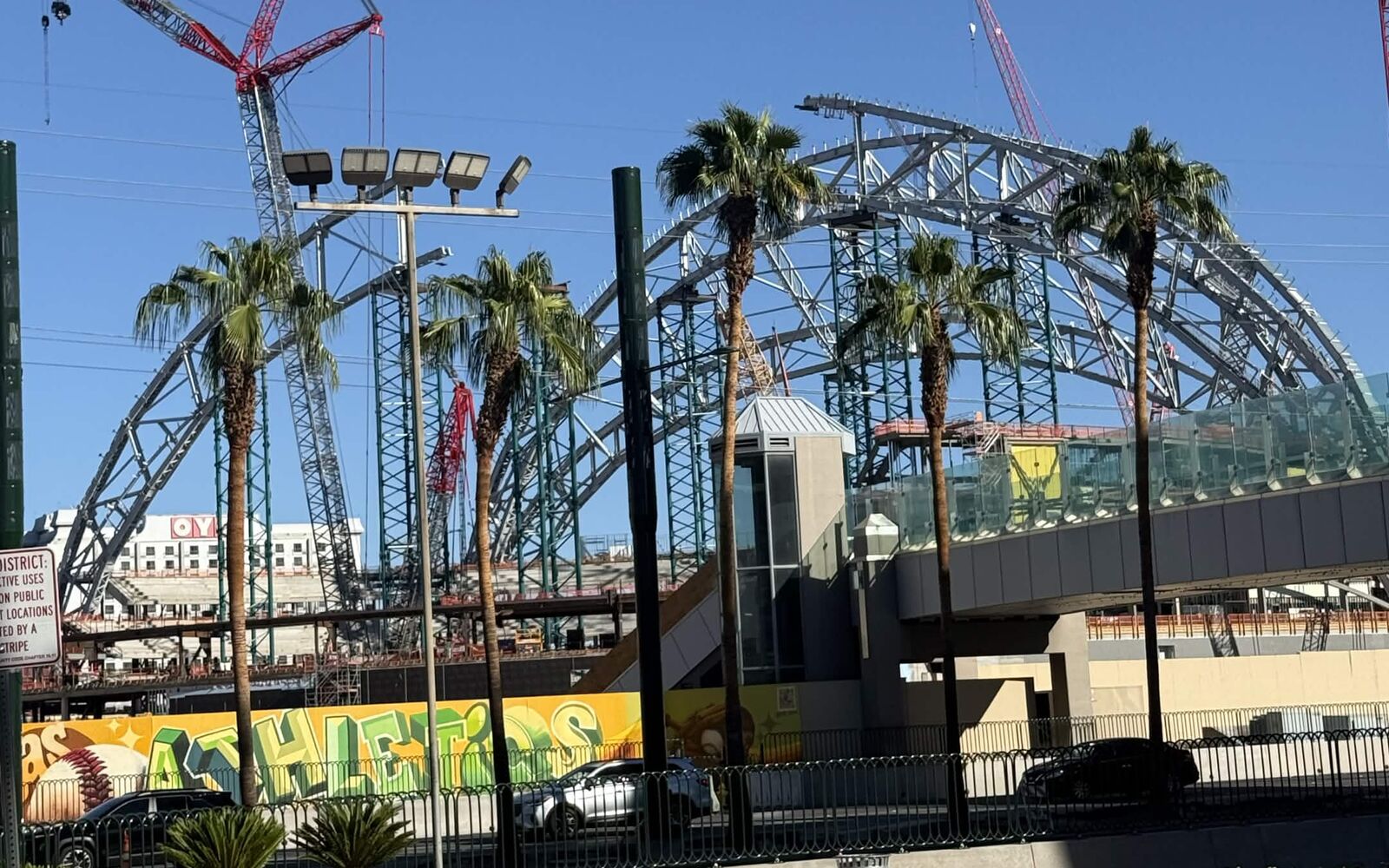
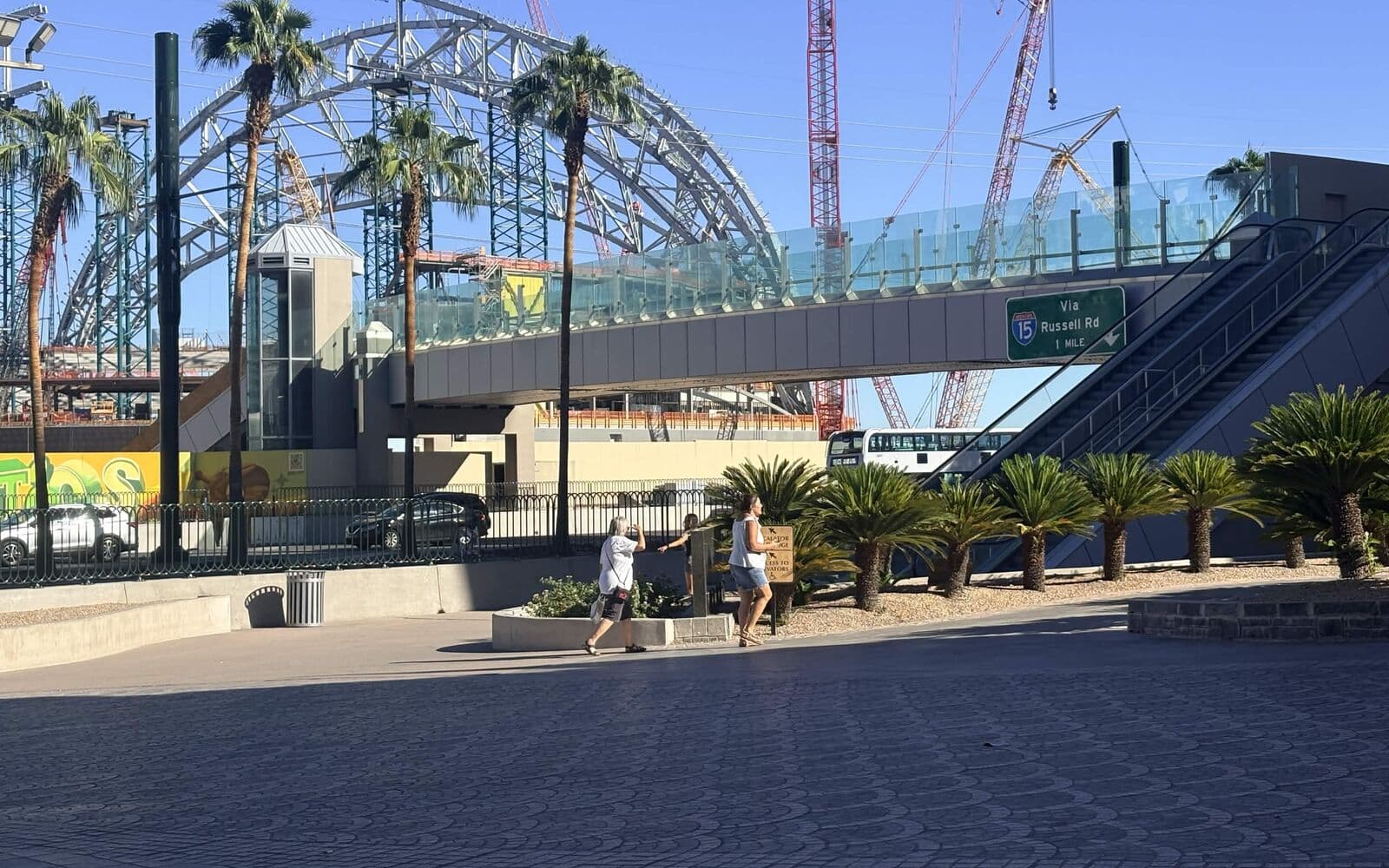
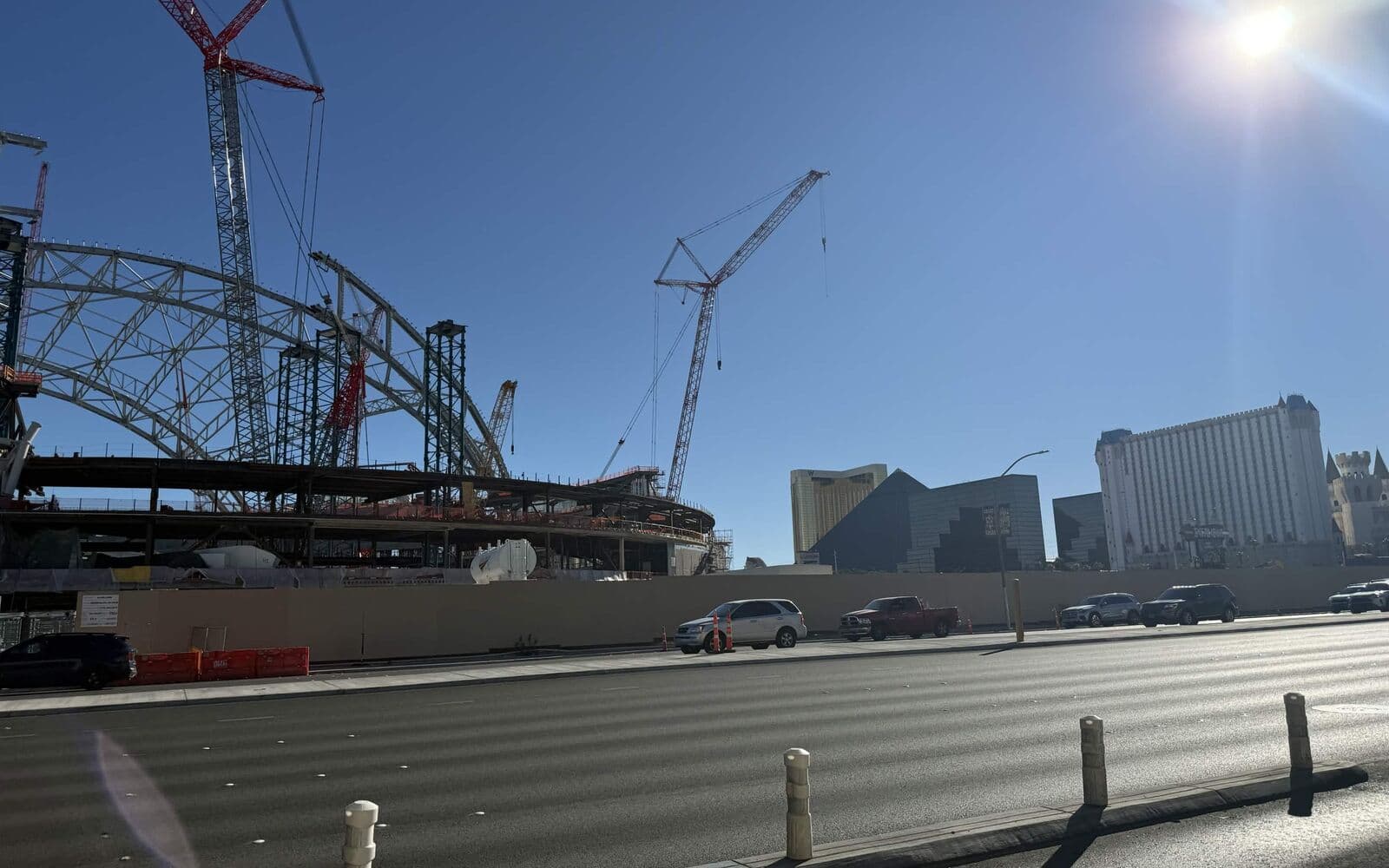
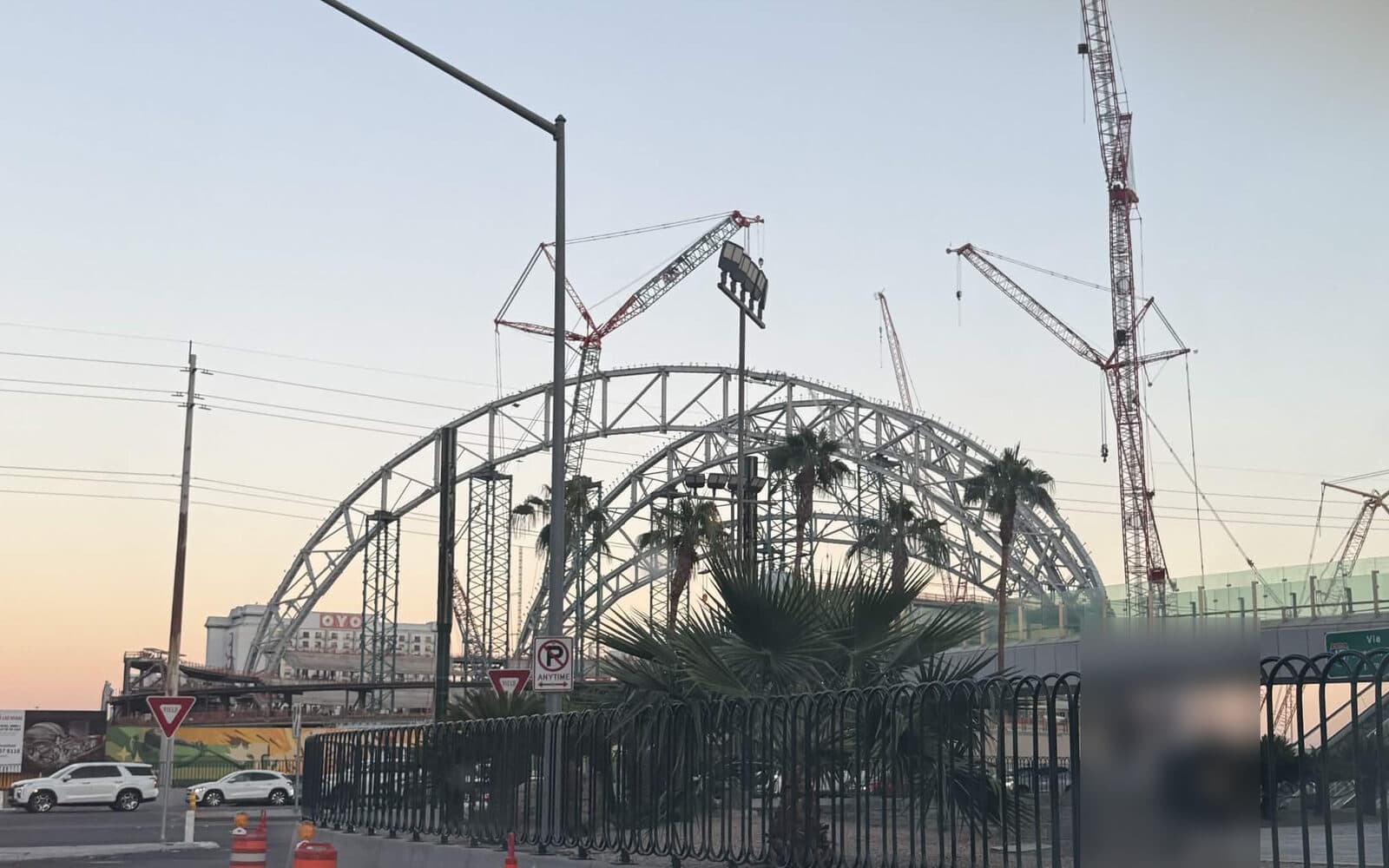
The Athletics' move from Oakland to Las Vegas required leaving their long-term home at the Oakland-Alameda County Coliseum before their new Las Vegas stadium was ready. The Coliseum lease expired and was not renewed. The Las Vegas stadium, approved in 2023 and under construction on the old Tropicana site, will not be ready until 2028. That gap, 2025, 2026, and 2027, required an interim home.
Sacramento was the chosen solution. The city is close enough to the Bay Area to maintain some connection with the existing fan base while being in the Northern California region where the franchise's history is rooted. The River Cats' parent organization, the Giants, had a shared-stadium arrangement that made Sutter Health Park available for A's use during the home stand schedule. It is a temporary arrangement that everyone involved acknowledges is temporary.
What the Fan Experience Actually Looks Like
Watching a Major League game at Sutter Health Park is genuinely different from watching one at a purpose-built MLB venue. The differences are not just numerical, it is not simply that the stadium holds fewer people. The physical proximity to the players is remarkable. Seats that would be considered mid-priced at any major league stadium feel like field-level premium at Sutter Health Park. You can hear conversations in the dugout. You can see the pitcher's grip on the ball from a seat that costs a fraction of what comparable sight lines would cost at Dodger Stadium or Wrigley Field.
The concourse experience is limited by minor league infrastructure. The food and beverage options are more modest than what fans expect from MLB venues. The stadium lacks the premium amenity spaces, clubs, all-inclusive areas, rooftop decks, that new major league parks built in the 2000s and 2010s have made standard. You are getting baseball without the entertainment infrastructure that modern ballpark design bundles around baseball.
For some fans, this is a feature rather than a bug. The stripped-down experience puts the game itself at the center of the visit in a way that the palatial new stadiums sometimes do not. The players are close. The baseball is real. The $9 hot dog is still there. Everything else is optional.
The Attendance Numbers and What They Mean
The Las Vegas Athletics are playing their 2026 home games at Sutter Health Park in West Sacramento, California.
Attendance at Sutter Health Park during the A's residency has been a complicated story. The stadium is small enough that the per-game numbers that look modest at an MLB venue fill the place to a reasonable percentage of capacity. Sold-out games at 14,000 feel like genuine events. Half-full games at 7,000 feel emptier than the same number at a 40,000-seat stadium.
The organizational perspective on Sacramento attendance is carefully managed. The franchise cannot be seen as failing in its temporary home, because failing attendance in Sacramento would raise legitimate questions about what the Las Vegas market can actually support. The reality is that Sacramento represents neither the franchise's floor nor its ceiling. It is a placeholder, and the relevant attendance story will be told when the Strip stadium opens in 2028.
The Players and Their Sacramento Experience
From the players' perspective, Sacramento has been reported as a mixed experience. The intimacy of the smaller park creates an unusual connection with fans that does not exist at a 40,000-seat venue. Players have noted that the atmosphere at well-attended games has genuine energy in a way that a sparsely attended big stadium cannot replicate.
The practical inconveniences are real. The clubhouse facilities are minor league standard. The training room and player development infrastructure are not what MLB players are accustomed to. The A's have invested in supplementary facilities and personnel to bridge the gap, but there is no pretending that Sutter Health Park provides the operational environment that purpose-built MLB stadiums do.
What Comes After Sacramento: The Las Vegas Future
The Sacramento chapter ends after the 2027 season, regardless of the construction status of the Las Vegas stadium. The target is 2028. The construction timeline supports 2028. The organization has committed to 2028. What the Las Vegas Strip stadium will represent, in contrast to Sutter Health Park, is the full realization of what this franchise is trying to build.
Thirty-three thousand seats. A retractable roof. Natural grass. Club spaces that meet or exceed the standards of any other MLB venue. Food and beverage that reflects the Las Vegas market's elevated expectations. A location within walking distance of the most concentrated entertainment infrastructure on the planet.
Sacramento is the sacrifice. Las Vegas is the prize. The players know it. The fans know it. The front office has been very clear about it. Endure the minor league park. The Strip stadium is coming.
Find Las Vegas A's tickets and gear through our affiliate partners. Purchases made through these links support independent coverage at no extra cost to you.
For more A's coverage across the network:
Frequently Asked Questions
Where are the A's playing while the Las Vegas stadium is built?
Sutter Health Park in West Sacramento, home of the Triple-A Sacramento River Cats, with a baseball capacity of about 14,000.
When will the A's leave Sacramento?
After the 2027 season, with the Las Vegas Strip stadium targeted to open in 2028.
What is the fan experience like at Sutter Health Park?
Remarkably intimate: mid-priced seats feel like field-level premium and you can hear the dugout, but the concourse and amenity infrastructure is minor-league standard.