An independent fan's walk through every ballpark the Athletics have called home, from a wooden park in North Philadelphia to the coming Las Vegas era, with honest caveats where the record gets fuzzy.
A Franchise That Keeps Finding New Homes
Follow the Athletics long enough and you learn that this team has never really stood still. Most clubs are defined by one city and one ballpark. The A's are defined by the road: four cities, a stack of ballparks, and now a fifth home rising in the desert. For fans, the buildings are more than concrete. They are chapters. Walk them in order and you get the whole story of the franchise in one long line, from a wooden grandstand in Philadelphia to the bright lights of the Las Vegas Strip.
This is a fan's tour of those homes. The aim is honest history, so where a detail is approximate or still moving, it gets flagged rather than dressed up. If you want the reference version with maps and specifics, our ballparks guide lays each one out park by park.
Philadelphia: Where It All Started
The story opens in Philadelphia. The very first Athletics home was Columbia Park, a modest wooden ballpark in the Brewerytown section of North Philadelphia. It opened with the franchise in 1901, and it was here that Connie Mack built his earliest competitive clubs. The A's won American League pennants at Columbia Park in 1902 and 1905. But wooden parks of that era were small and prone to fire, and as the crowds grew, Mack and co-owner Ben Shibe wanted something permanent.
That ambition became Shibe Park, which opened in 1909 and changed what a ballpark could be. It was the first concrete-and-steel stadium in the major leagues, with a French Renaissance facade and a domed tower that became one of baseball's most recognizable sights. Shibe Park hosted all five of the franchise's Philadelphia World Series titles, in 1910, 1911, 1913, 1929, and 1930, won by teams featuring names like Eddie Collins, Frank Baker, Jimmie Foxx, Lefty Grove, Al Simmons, and Mickey Cochrane. It was renamed Connie Mack Stadium in 1953 to honor the man who ran the club for half a century. Those Philadelphia championship years are still the backbone of the franchise record you can browse in our franchise history.
Kansas City: The Lean Years That Grew a Dynasty
After the 1954 season the Athletics left for Kansas City, where they played at Municipal Stadium for 13 seasons. On the field these were lean years, and the club never finished higher than sixth. Off the field, though, the groundwork for something bigger was quietly being laid. Owner Charlie O. Finley, who bought the team in 1960, made Kansas City known for wild promotions, and, far more importantly, for signing and developing the young players who would soon change everything: Reggie Jackson, Catfish Hunter, Rollie Fingers, Bert Campaneris, and Sal Bando among them.
Finley moved the club to Oakland after the 1967 season. The core grown in Kansas City would go on to win championships almost immediately on the West Coast, which is the strange gift of the Kansas City chapter: the results came, just in a different city.
Oakland: The Longest Home of All
Follow the Athletics long enough and you learn that this team has never really stood still.
The Oakland Coliseum was the Athletics' home for 57 seasons, longer than any ballpark in franchise history, and it is the backdrop for almost everything modern fans picture when they think of the A's. It saw the mustachioed Swingin' A's win three straight World Series in 1972, 1973, and 1974. It saw Rickey Henderson rewrite the record books, the Bash Brothers of Mark McGwire and Jose Canseco power the 1989 title, and Billy Beane's Moneyball teams turn a small budget into a 20-game win streak and years of contention.
It was never a glamorous building. A no-frills multipurpose stadium shared for most of its life with the NFL's Raiders, the Coliseum was loud, it was green and gold, and it was home right up until the franchise played its final Oakland season in 2024. For a lot of fans, this is the ballpark that hurts to talk about, and that is worth saying plainly rather than glossing over. You can read more about the Oakland era at the Coliseum's page.
Sacramento: A Bridge, Not a Destination
Leaving Oakland created a gap. The permanent Las Vegas ballpark was not ready, so the franchise needed somewhere to play in the meantime. The answer was Sutter Health Park in West Sacramento, home of the Triple-A Sacramento River Cats, the San Francisco Giants' affiliate. The A's own Triple-A club is the Las Vegas Aviators. With a capacity around 14,000, it is one of the smallest venues to host a big-league club in the modern era, an unusual and intimate chapter for a team between homes. The plan calls for the A's to play there through the 2027 season. Nobody is pretending this is the destination. It is explicitly a bridge.
Las Vegas: The Next Chapter
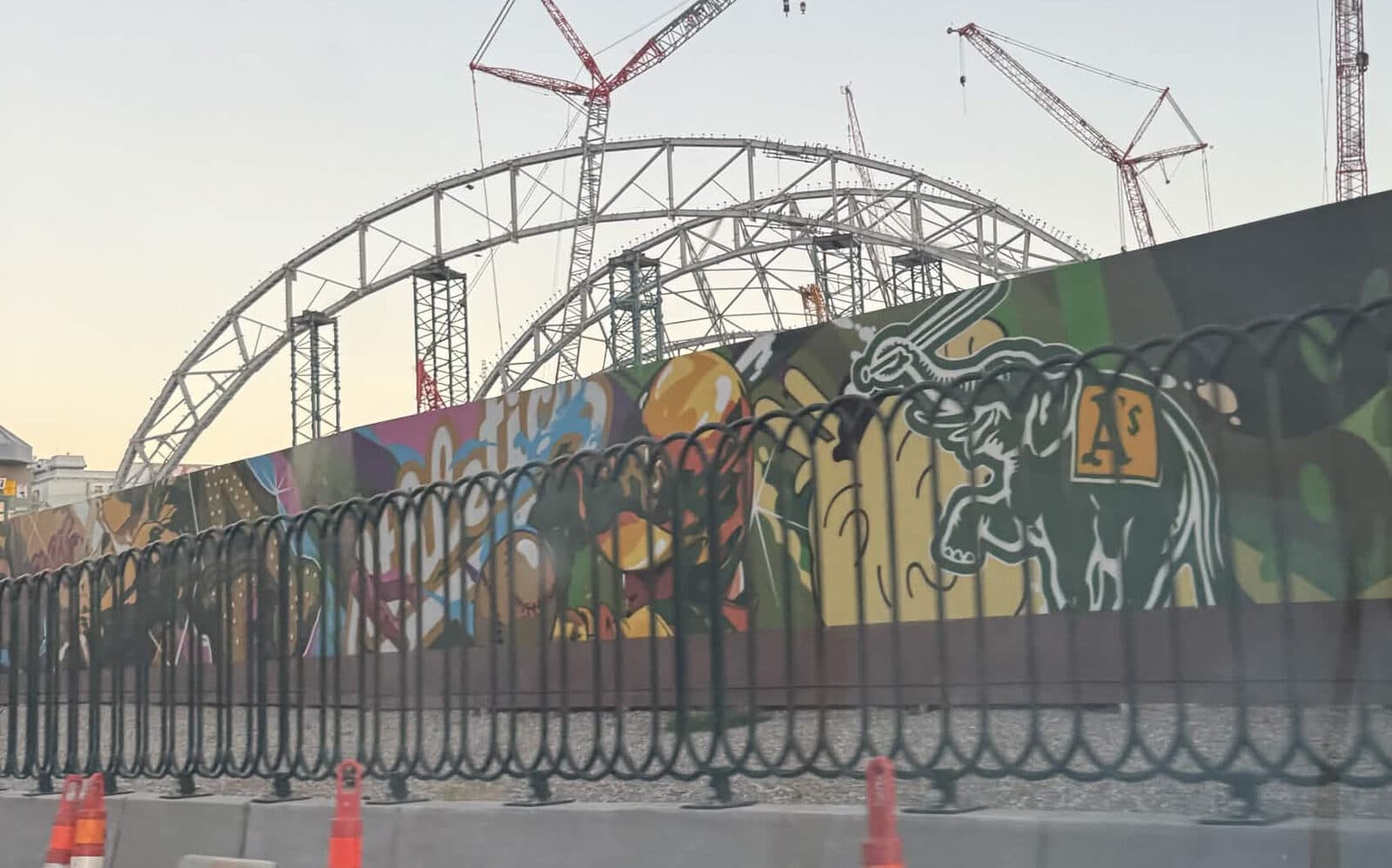
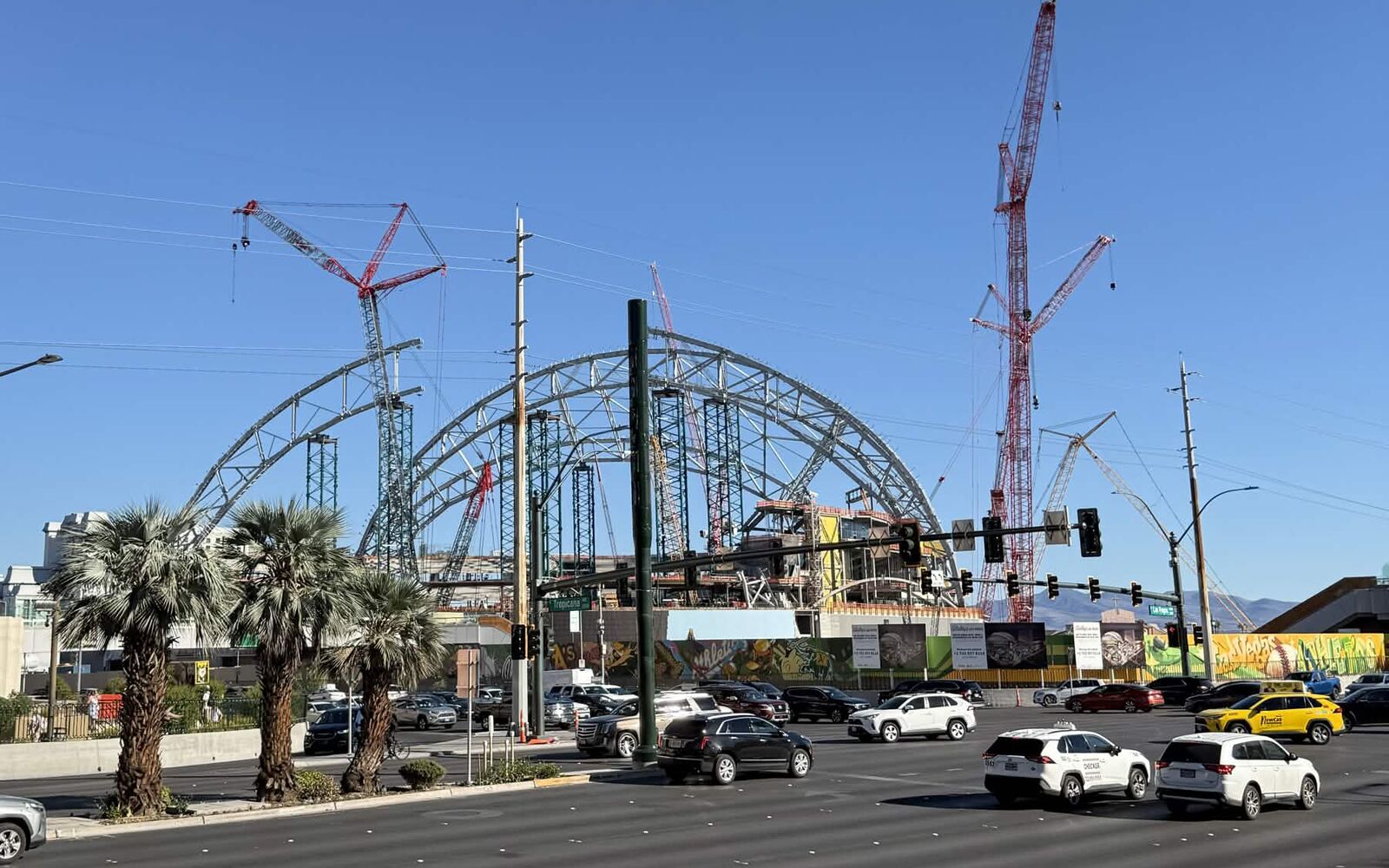
The franchise's future sits on one of the most famous stretches of real estate in the world: the former Tropicana site on the Las Vegas Strip. Current plans describe a roughly 33,000-seat, climate-controlled venue built for year-round comfort in the desert heat, targeted to open for the 2028 season. Those are the sturdy facts. Treat the finer specifics, exact capacity, precise cost, and a firm opening date, as reported-but-not-final until the team confirms them, because big stadium projects rarely finish exactly on their first announced schedule.
What is not in doubt is the shape of the journey. Las Vegas becomes the fifth city in the franchise's long history, from Philadelphia to Kansas City to Oakland to a Sacramento stopover, and now to the desert. Six ballparks span more than a century, and the story is still being written.
The Bottom Line
The A's have never been a one-park franchise, and that restlessness is part of what makes following them feel different. From Columbia Park's wooden grandstand to Shibe Park's steel and concrete, from Kansas City's lean years to Oakland's long, loud tenure, every home added a chapter. The Las Vegas ballpark is the newest one, and for the first time in a while, the next chapter is about building rather than leaving.
The LV Athletics is an independent, fan-run site and is not affiliated with Major League Baseball or the Athletics organization.
Find Las Vegas A's tickets and gear through our affiliate partners. Purchases made through these links support independent coverage at no extra cost to you.
For more A's coverage across the network:
Frequently Asked Questions
How many cities have the Athletics called home?
Counting the coming Las Vegas era, five: Philadelphia (Columbia Park, then Shibe Park, later renamed Connie Mack Stadium), Kansas City (Municipal Stadium), Oakland (the Coliseum), an interim stop in Sacramento at Sutter Health Park, and next Las Vegas.
Which A's ballpark hosted the most World Series titles?
Shibe Park in Philadelphia hosted teams that won all five of the franchise's Philadelphia World Series titles, in 1910, 1911, 1913, 1929, and 1930. The Oakland Coliseum was the site of four more, in 1972, 1973, 1974, and 1989.
Why are the Athletics playing in Sacramento before Las Vegas?
Sutter Health Park in West Sacramento is an interim home while the permanent Las Vegas ballpark is built. The plan calls for the A's to play there through the 2027 season, with the new Strip ballpark targeted to open in 2028.