A look at what makes the sport's best ballpark fan cultures special, from the Green Monster to the sausage race, and what Las Vegas can borrow as it builds its own identity around the A's.
A Ballpark Is a Building. A Fan Culture Is a Choice.
Every franchise gets a stadium. Not every franchise gets a fan culture. The difference between the two is the whole ballgame for a city like Las Vegas, which is getting a brand-new, 33,000-seat home on the Strip and, at the same time, has to build something no amount of concrete and steel can buy: a set of traditions that make a night at the ballpark feel unmistakably like a night at an A's game and nowhere else.
The good news is that baseball has been solving this problem for over a century, and the sport's most beloved fan cultures did not happen by accident. They were built, deliberately, out of geography, quirks, and repetition. Here is what makes the best of them work, and what Las Vegas can honestly take from each one.
Fenway Park: A Quirk Became an Identity
The Green Monster is the best example in professional sports of a structural limitation turning into a signature. Boston built its left field wall 37 feet high in 1934 because the ballpark sat on a cramped city block and there was nowhere else for the wall to go. Instead of apologizing for it, the franchise built its whole visual identity around it. Today, a seat on top of the Monster is one of the hardest tickets in baseball, and the wall shows up on merchandise, broadcasts, and the mental image anyone has of Fenway before they have ever set foot inside it.
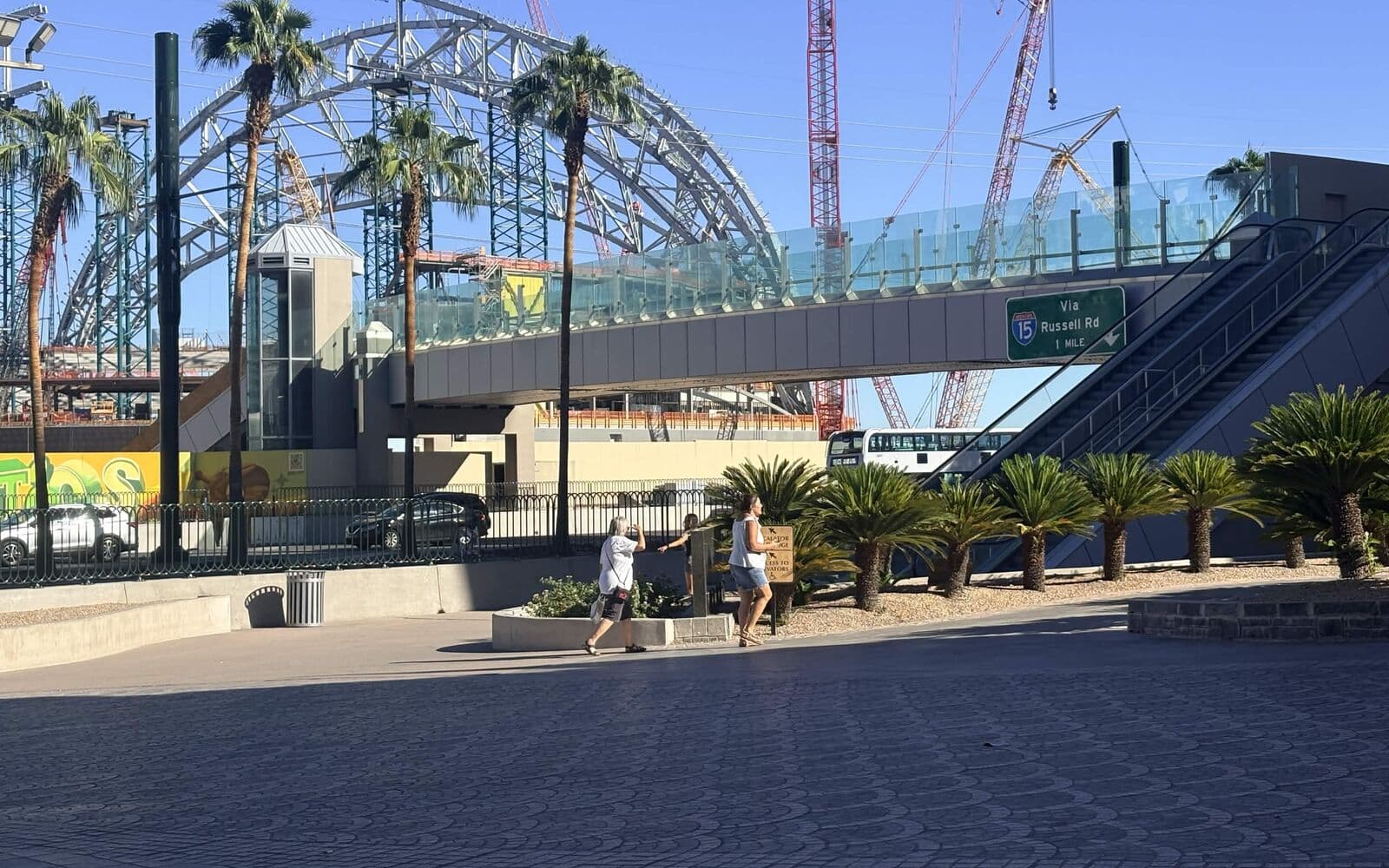
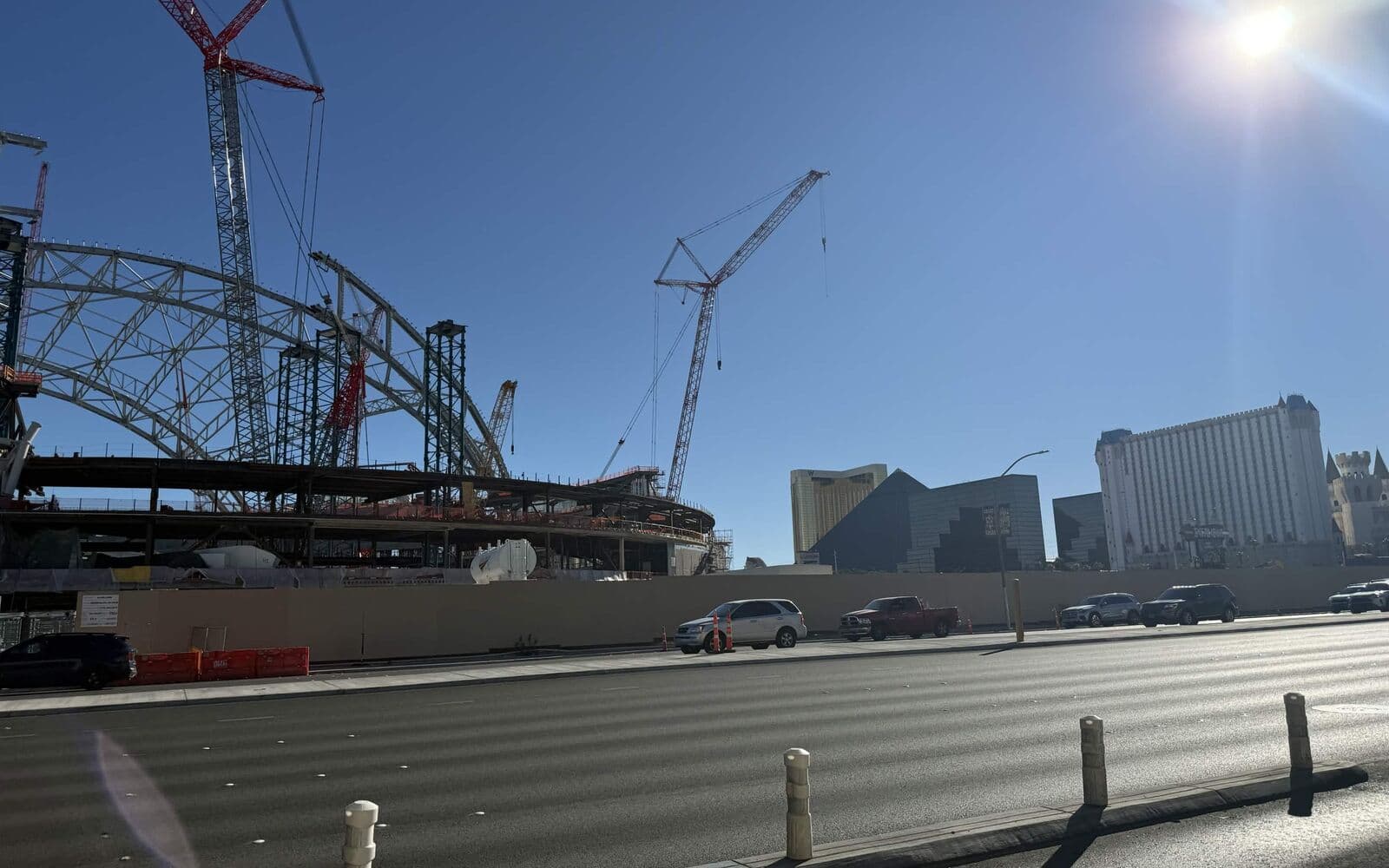
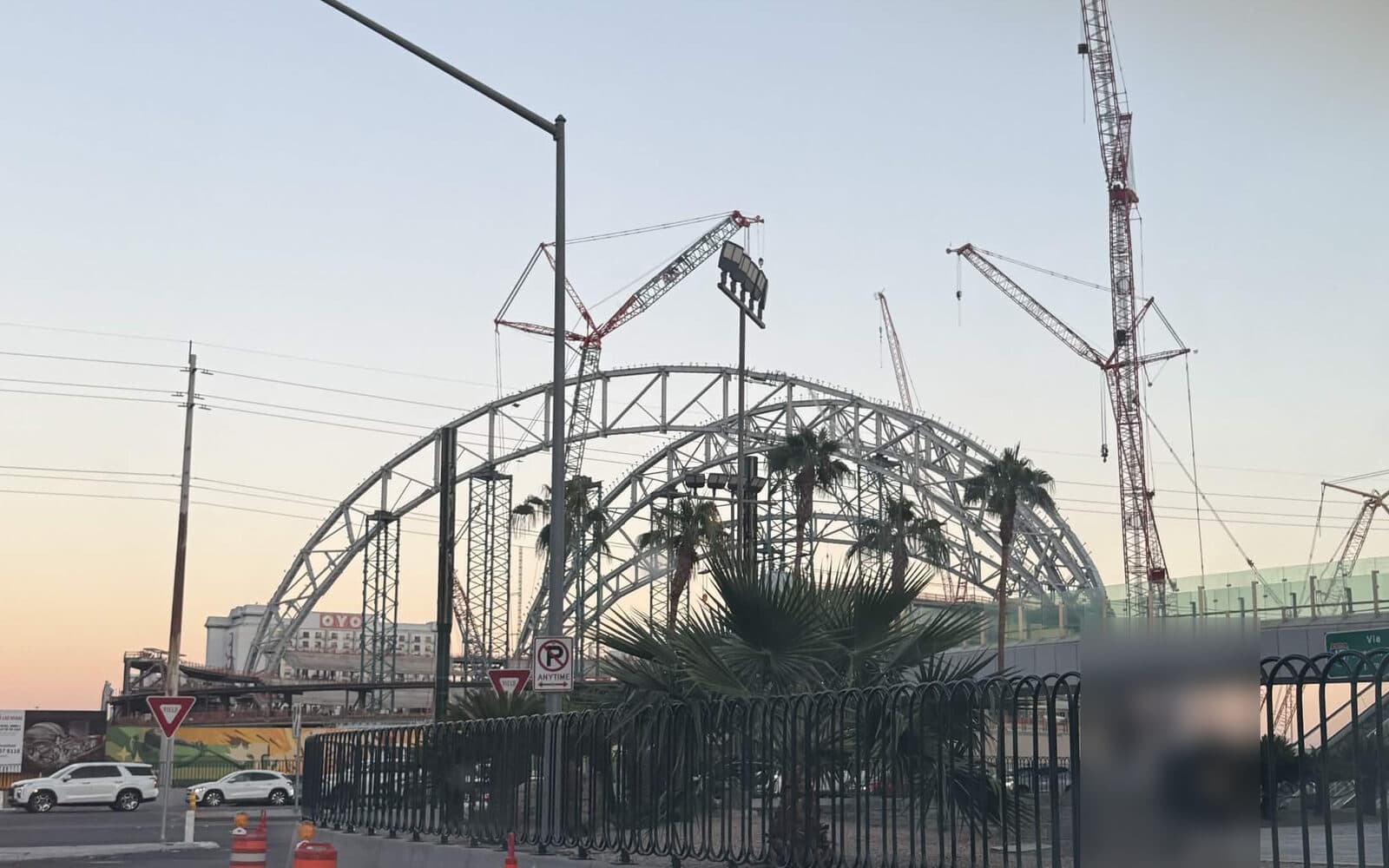
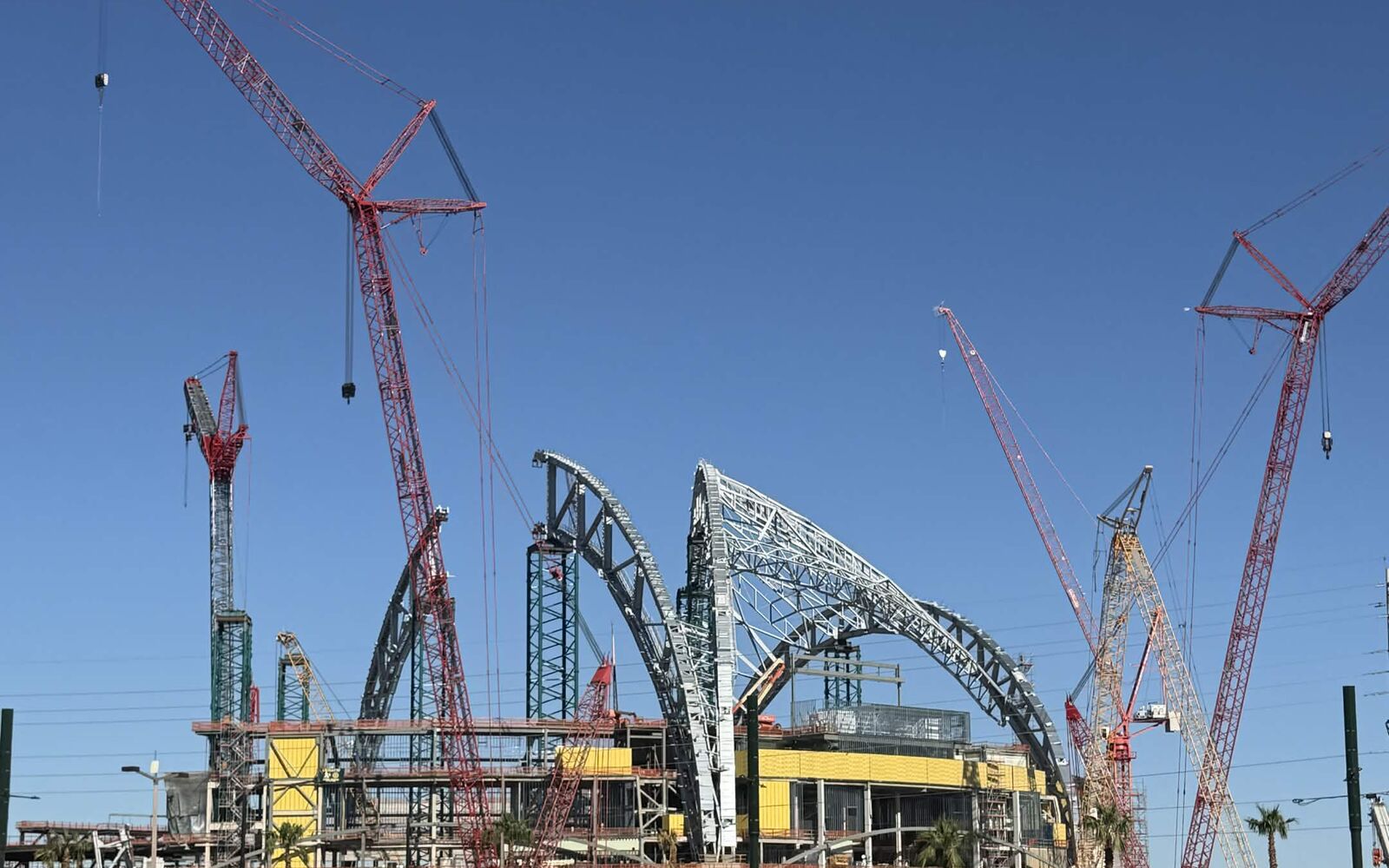
The lesson is not "build a giant wall." It is that a genuine physical or architectural quirk, embraced rather than hidden, becomes a stronger identity than anything designed from a marketing deck. The Las Vegas ballpark is being built enclosed and climate-controlled because of the desert heat, which is itself a quirk no other MLB market has to solve for. That constraint is worth leaning into rather than downplaying.
St. Louis: A Reputation the Fans Have to Keep Earning
Cardinals fans have carried the "best fans in baseball" label for decades, and the reputation rests on specific, repeatable behaviors: a crowd that applauds a good defensive play by the visiting team, a stadium that stays full and loud into extra innings of games that do not matter for the standings, and a multigenerational culture where grandparents are teaching grandchildren how to keep a scorebook. It is a reputation built on showing up, consistently, whether the team is good or not.
That is the piece Las Vegas has to prove it can do, since the market's honest reputation right now is built on tourism and short visits rather than decades of loyalty. The early answer is already forming in the neighborhood bars and casino sports books where fans are gathering for road games, which our roundup of the best sports bars in Las Vegas to watch A's games covers in detail. A crowded PT's Pub on a Tuesday night in June says more about a fan culture than a sellout on Opening Day does.
San Francisco: The Splash Hit and the Kayak Fleet
rete and steel can buy: a set of traditions that make a night at the ballpark feel unmistakably like a night at an A's game and nowhere else.
The Giants turned a geographic accident, McCovey Cove sitting just past the right field wall, into one of the sport's most recognizable rituals. A kayak flotilla waits on the water for home runs to clear the fence, and the ball splashing down has its own name, its own running tally, and its own place in how fans talk about a big Giants moment. Nobody designed that in a boardroom. It happened because the ballpark was built next to water and fans decided to make it a thing.
Las Vegas will not get a splash hit tradition on the Strip, but the underlying principle transfers: look at what is genuinely unique about the location and turn it into a ritual instead of a footnote. A ballpark built where the Tropicana used to stand, in the middle of the busiest entertainment corridor in the country, has raw material no other MLB city has. The move is figuring out what the Vegas equivalent of the kayak fleet actually is.
Milwaukee: Absurdity, On Purpose, Every Night
The Brewers' sausage race is proof that a fan tradition does not need to be dignified to be beloved. Costumed sausages racing around the warning track between innings has nothing to do with baseball strategy and everything to do with giving a crowd a reason to be on its feet, laughing, at the exact midpoint of a long game. It works because it happens every single game, without fail, and the fans have built inside jokes and rivalries around which sausage wins.
This is the most directly applicable lesson for Las Vegas of anything on this list. The city's entertainment DNA, production values, showmanship, a willingness to be a little ridiculous for the sake of a good time, is a genuine competitive advantage that most MLB cities cannot match. A between-innings bit that leans into that identity, rather than copying what another market already does, is low-risk and high-upside.
Chicago: Tradition That Outlives Any Roster
Wrigley Field's ivy-covered outfield walls, the hand-operated scoreboard, and the tradition of fans tossing back an opposing team's home run ball all share one trait: none of them depend on the Cubs winning. They exist independent of the standings, which is exactly why they have survived generations of good teams and bad ones. A fan culture built entirely around winning evaporates the first time the team has a losing season. A fan culture built around shared rituals survives it.
That is the most important design principle for a franchise starting from zero in a new market. Las Vegas cannot promise fans a contender every year, no team honestly can, but it can promise fans a set of rituals that make showing up worth it regardless of the score.
Honoring Where the Team Came From
The one thing every great fan culture on this list shares is that it grew out of a real, specific relationship between a team and a place over time. Las Vegas does not have five decades of shared history with this franchise the way Oakland did, and pretending otherwise would ring false to both longtime A's fans and to a new Vegas fan base that deserves an honest starting point rather than a manufactured one. The more durable path is building a new identity in Las Vegas while treating the Kansas City and Oakland eras as real history worth honoring, not erasing. Championship banners, Bash Brothers references, and Moneyball-era storylines belong somewhere visible in the new building, not scrubbed from it.
What Las Vegas Can Actually Build
Put together, the blueprint looks like this: embrace the enclosed, climate-controlled design as a genuine identity rather than a compromise. Build a between-innings tradition that uses the city's entertainment talent pool instead of importing something generic. Reward the fans already showing up at bars and sports books for road games, since that grassroots habit is the actual foundation a "best fans in baseball" reputation gets built on. And treat the franchise's Oakland and Kansas City history as heritage to display, not a chapter to skip past.
None of this happens on Opening Day of the new ballpark in 2028. It happens in the years before it, in the bars, the watch parties, and the community habits that are forming right now while the stadium is still under construction. Our look at how the A's are building a fan base from scratch covers that groundwork in more depth, and the broader case for why the timing works in this market is in our piece on why Las Vegas is becoming a real sports town.
The Bottom Line
The best ballpark fan cultures in baseball were not bought, they were built, out of quirks embraced rather than hidden, rituals repeated whether the team was good or bad, and a real relationship between a team and its city. Las Vegas has the raw material to do the same thing, a genuinely unique building, an entertainment industry most cities would kill for, and a fan base that is already showing up before the ballpark exists. What it does with that material over the next few years is the whole story.
The LV Athletics is an independent, fan-run site and is not affiliated with Major League Baseball or the Athletics organization.
Find Las Vegas A's tickets and gear through our affiliate partners. Purchases made through these links support independent coverage at no extra cost to you.
For more A's coverage across the network:
Frequently Asked Questions
What makes Fenway Park's Green Monster a great fan tradition?
The 37-foot left field wall started as a practical fix for a cramped city block in 1934. Boston embraced it instead of hiding it, and it became one of baseball's most recognizable identities, including one of the sport's hardest tickets, a seat on top of the wall.
Why are Cardinals fans considered the best fans in baseball?
The reputation is built on consistent behavior rather than a single event: a crowd that applauds good plays by visiting teams, a stadium that stays full and loud in games that do not matter for the standings, and a multigenerational culture of fans who keep showing up regardless of the record.
Can Las Vegas realistically build its own version of a splash hit or sausage race?
Not those specific rituals, but the underlying principle transfers. The best traditions grow out of something genuinely unique to the location, like McCovey Cove for the Giants. Las Vegas has its own raw material in its entertainment industry and its Strip-adjacent ballpark site to build something equally specific to the city.
Should the Las Vegas A's downplay the team's Oakland and Kansas City history?
No. The most durable fan cultures, like Wrigley Field's traditions, survive because they are not dependent on a single era or a single winning roster. The more honest path is building a new Las Vegas identity while still displaying the franchise's real history rather than erasing it.
Where is the Las Vegas A's fan culture actually being built right now?
In the neighborhood sports bars, casino sports books, and watch parties where fans are already gathering for road games while the Strip ballpark is under construction, not on a single Opening Day years from now.