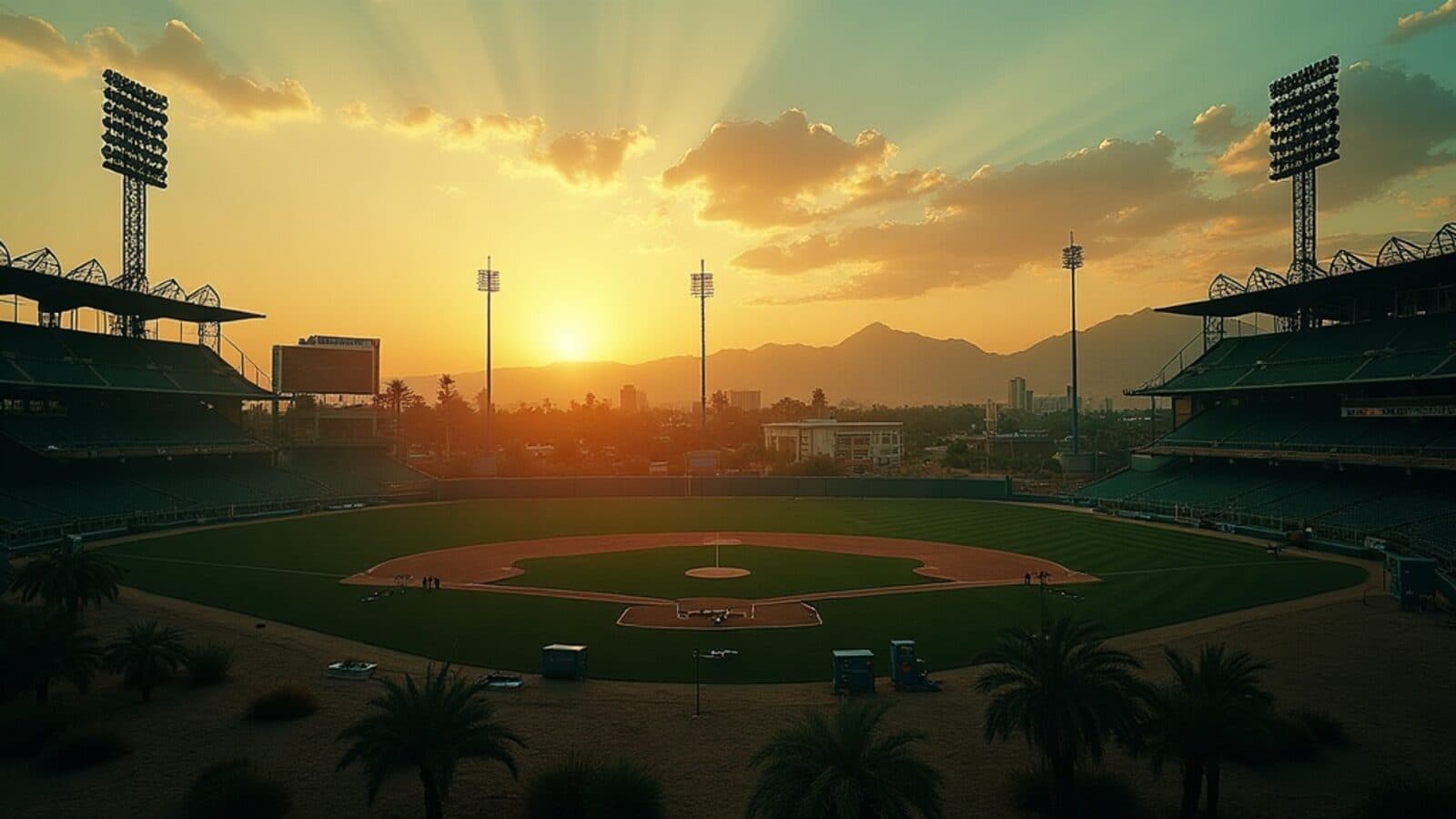
A fan's breakdown of the A's new Las Vegas ballpark: the Strip location, the enclosed armadillo dome design, capacity, cost, and when it is expected to open.
A Ballpark Built for the Desert
The Athletics are not just moving to Las Vegas, they are building one of the most distinctive ballparks in Major League Baseball to do it. The new home rising on the Strip is a fully enclosed, air-conditioned stadium, and that design choice is not about showing off. In a city where summer game-time heat can climb past 100 degrees, an open-air park simply would not work. Everything about this building starts from that reality.
For fans used to sunshine and outfield breezes, an indoor ballpark takes some getting used to. But it also opens the door to a climate-controlled, reliably comfortable experience that few MLB cities can offer. Here is what is actually being built, based on what the team and its architects have shared so far.
The Location: Right on the Strip
This is the headline that no other relocation can match. The ballpark is going up on the Las Vegas Strip itself, on roughly nine acres of the former Tropicana hotel and casino site near Las Vegas Boulevard and Tropicana Avenue. The Tropicana was demolished to make room, and the team broke ground on the site in June 2025.
Sharing the Site With a Resort
The ballpark does not take up the entire parcel. Bally's Corporation, which controlled the Tropicana land, is planning an integrated resort on the surrounding acreage, so the stadium will sit alongside a new casino-resort development rather than standing alone. For fans, that means the ballpark is being dropped into the busiest entertainment corridor in the country, within walking distance of some of the most famous resorts in the world. Our full Las Vegas ballpark guide tracks the site details as they firm up.
The Design: A "Spherical Armadillo"
The design comes from the Danish firm Bjarke Ingels Group, working with the sports architecture firm HNTB, and it is unlike anything else in baseball. The dome has been described by its own architects as a "spherical armadillo," a layered, shell-like roof made up of five overlapping forms clad in shimmering metal. The shape draws on two ideas at once: the pennants fans wave at ballgames and the rounded shell of the armadillo, an animal of the American Southwest.
The Cable-Net Glass Wall
The signature feature is a huge glass wall hanging from the Strip-facing end of the building. The architects have said that, if completed as designed, it would be the largest cable-net glass wall in the world. The idea is to block the harsh direct sun while still letting soft northern daylight wash over the field, so the park feels connected to the Strip without cooking the fans inside. It is an ambitious piece of engineering, and it is the kind of visual signature a new franchise home needs.
How Big Is It, Really?
The Athletics are not just moving to Las Vegas, they are building one of the most distinctive ballparks in Major League Baseball to do it.
The new ballpark is planned as an intimate one by MLB standards, with a capacity of about 33,000. Reporting has described that as roughly 30,000 fixed seats plus several thousand standing-room spaces. That would make it one of the smaller footprints in the league, which is a deliberate choice: a smaller park keeps the atmosphere tight and loud and makes tickets feel scarcer, rather than trying to fill 45,000 seats every night in a new market.
For fans, a smaller park usually means a better in-person experience, closer sightlines, more energy, and fewer stretches of empty concrete on a slow midweek night. If you are already thinking about being there for the first season, our overview of how season tickets are shaping up is the place to start.
What It Costs and Who Is Paying
The price tag has grown as the plans have firmed up. Early estimates put the project around $1.5 billion, and the reported figure has since climbed to roughly $2 billion. The financing is a mix: up to $380 million in public funding authorized by the state of Nevada, a construction loan, and the balance covered by team ownership. Notably, the team has said it does not expect to use the entire public allotment.
As of 2026, the franchise has reported spending in the range of $600 million on the project so far, and officials have repeatedly described construction as on schedule and on budget. As with any project of this scale, those are claims worth watching rather than taking on faith, but the visible progress on the Strip backs up the general direction.
When Does It Open?
The target has long been the 2028 season, and that remains the goal the team points to. Construction milestones have been landing through 2026, including the installation of the first of the building's six giant roof trusses, with the rest expected to follow. That said, it is worth being honest: opening dates on stadiums of this size have a habit of moving, and reports have floated slightly different timelines depending on how construction goes. Treat 2028 as the plan, not a guarantee.
For the most current, dated breakdown of where things stand, our post on the stadium timeline, location, and what is next keeps pace with the milestones as they happen.
What Fans Should Watch For Next
The next big visible steps are the completion of the roof structure and the enclosure of the building, followed by the interior fit-out: seating bowls, concourses, clubs, and the field itself. Each of those is a milestone that tells you whether the 2028 target is holding. Beyond the physical building, keep an eye on how the team handles ticketing, transportation, and parking on one of the most congested stretches of road in America, because those logistics will shape the fan experience as much as the architecture does.
The Bottom Line
The A's new Las Vegas ballpark is shaping up to be a genuine landmark: a fully enclosed, climate-controlled, roughly 33,000-seat park on the Strip, wrapped in a shimmering armadillo-shell dome and the largest cable-net glass wall in the world. It is expensive, ambitious, and still under construction, with a 2028 target that fans should hold with appropriate caution. But it is real, it is rising, and it is going to look like nothing else in baseball.
The LV Athletics is an independent, fan-run site and is not affiliated with Major League Baseball or the Athletics organization.
Find Las Vegas A's tickets and gear through our affiliate partners. Purchases made through these links support independent coverage at no extra cost to you.
For more A's coverage across the network:
Frequently Asked Questions
Where is the new Las Vegas Athletics ballpark located?
On roughly nine acres of the former Tropicana site on the Las Vegas Strip, near Las Vegas Boulevard and Tropicana Avenue. Bally's is planning an integrated resort on the surrounding land.
How many seats will the new A's ballpark have?
About 33,000 total, reported as roughly 30,000 fixed seats plus several thousand standing-room spaces, making it one of the smaller and more intimate footprints in Major League Baseball.
Why is the ballpark fully enclosed?
Las Vegas summer game-time heat can climb past 100 degrees, so an open-air park is not practical. The building is designed as a fully enclosed, air-conditioned dome for that reason.
Who designed the ballpark and what does it look like?
The Danish firm Bjarke Ingels Group, with HNTB, designed it. The architects describe the roof as a "spherical armadillo," a layered metal shell of five overlapping forms, with a huge Strip-facing glass wall they say would be the largest cable-net glass wall in the world.
How much does the ballpark cost and who is paying?
The reported cost has risen to roughly $2 billion. Financing includes up to $380 million in public funding from Nevada, a construction loan, and team ownership covering the balance, and the team has said it may not use the full public amount.
When will the new ballpark open?
The target is the 2028 season, and construction milestones have been landing through 2026, including the first roof trusses. Opening dates on projects this large can move, so 2028 is the plan rather than a guarantee.